Wishlist

because India suddenly turned zero waste or swore off plastic forever, but because everyday people finally started paying attention. Sustainability was no longer a niche interest in metro cafes. It was showing up in homes, offices, colleges, and gyms.

Instead of just asking, “Is this cheap?” people started asking, “Is this safe? Is this reusable? Is this better?”

That shift might look small on the surface, but it mattered.

Ecoconscious Choices Rose Throughout India

This year, India saw a noticeable rise in eco-conscious buying. Searches for eco-friendly products in India, reusable bottles, bamboo drinkware, and biodegradable tissues increased considerably, especially in metro cities. More consumers actively compared reusable products with disposables and chose long-lasting options.

Festive seasons still contributed to a spike in plastic waste, but something changed around it. The conversation shifted. People started acknowledging the problem instead of pretending it did not exist. That awareness translated into purchasing decisions.

Tier two cities also saw a meaningful rise in demand for reusable products, which showed that sustainability was no longer limited to niche premium markets. It was travelling across price points, regions, and lifestyles.

Indian Shoppers Became More Practical About Sustainability

This year clarified something important. Indian customers were not looking for dramatic lifestyle overhauls. They were looking for products that worked.

  • Durability mattered.
  • Affordability mattered.
  • Safety mattered.
  • Convenience mattered.

People were willing to adopt sustainable habits, but only if those habits fit smoothly into their routines. A reusable bottle that leaks or a biodegradable tissue that tears easily was rejected instantly. Sustainability had to be functional before it could be fashionable.

In short, eco-friendly products were welcomed when they improved life, not complicated it.

The Challenges Remained Real

Good intentions collided with everyday realities. Greenwashing made customers sceptical. Lack of clear product information created confusion. Pricing barriers slowed adoption. Many consumers wanted to switch, but they wanted clarity first.

The desire for eco-conscious choices grew, but consumers expected guidance and trustworthy alternatives. They did not want to be guilted into sustainability. They wanted to be supported through it.

Where IMECO Contributed in 2025

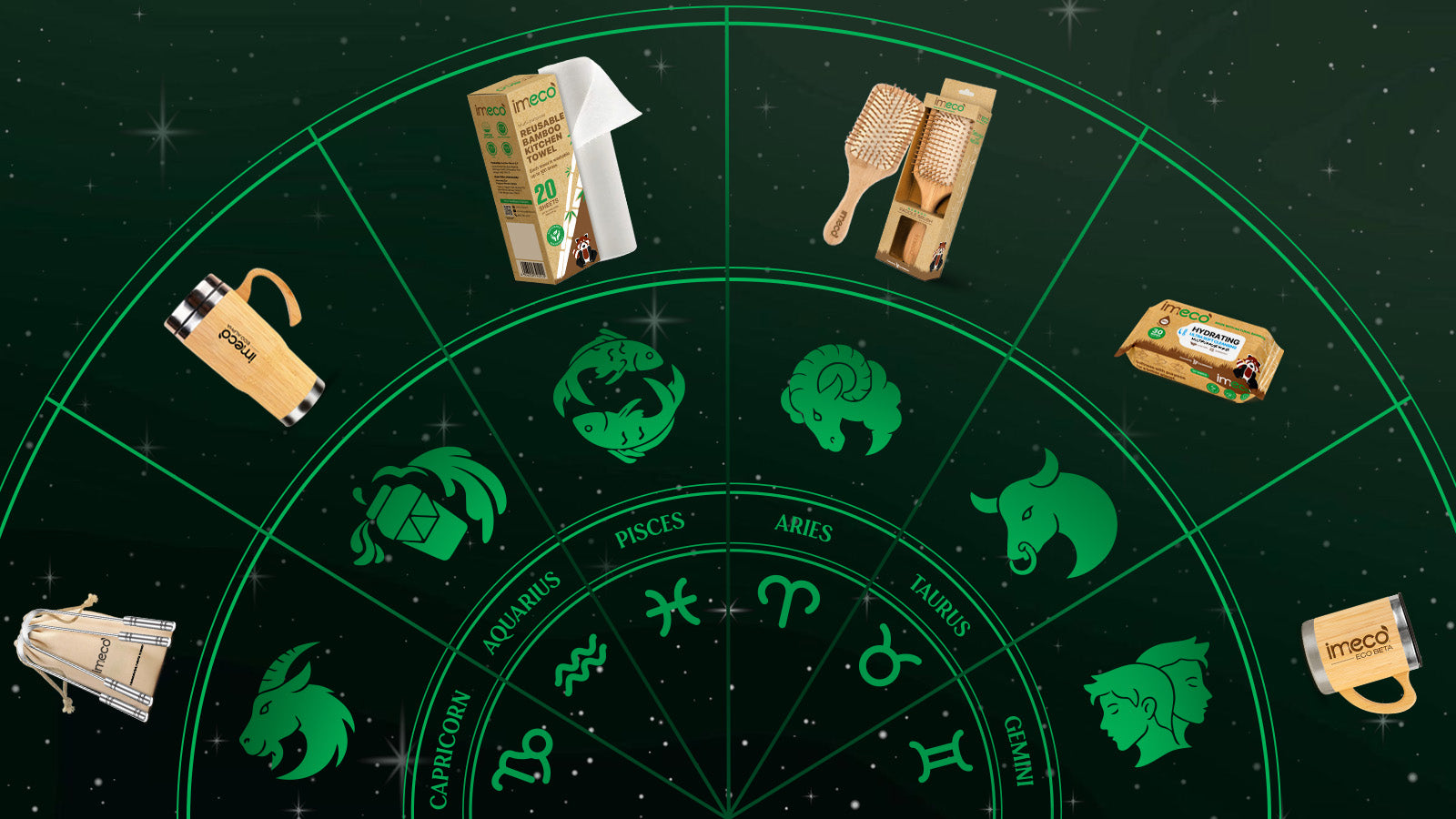
This year, IMECO’s focus was simple. Make sustainable swaps easy. Not extreme. Not expensive. Just everyday.

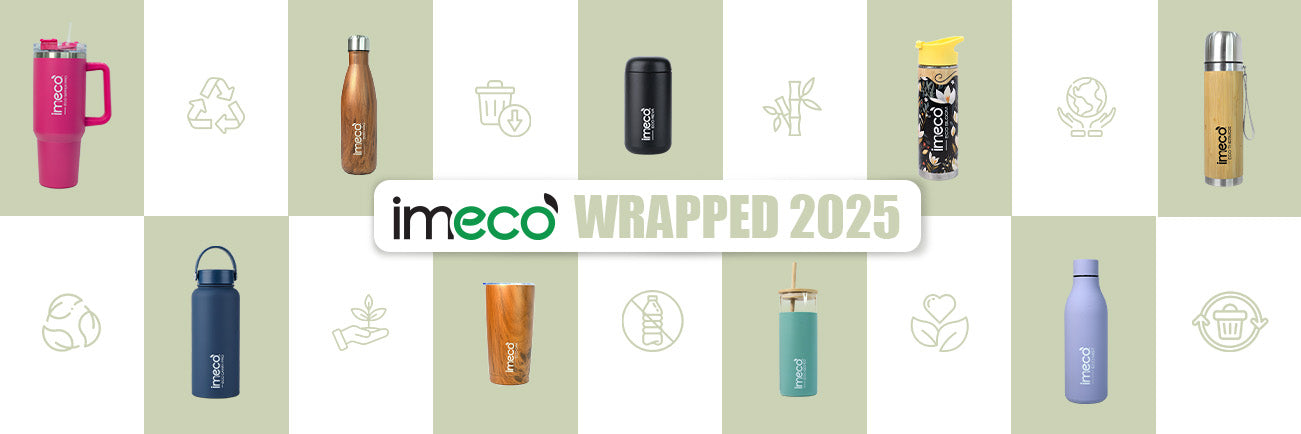
  • Reusable bottles.
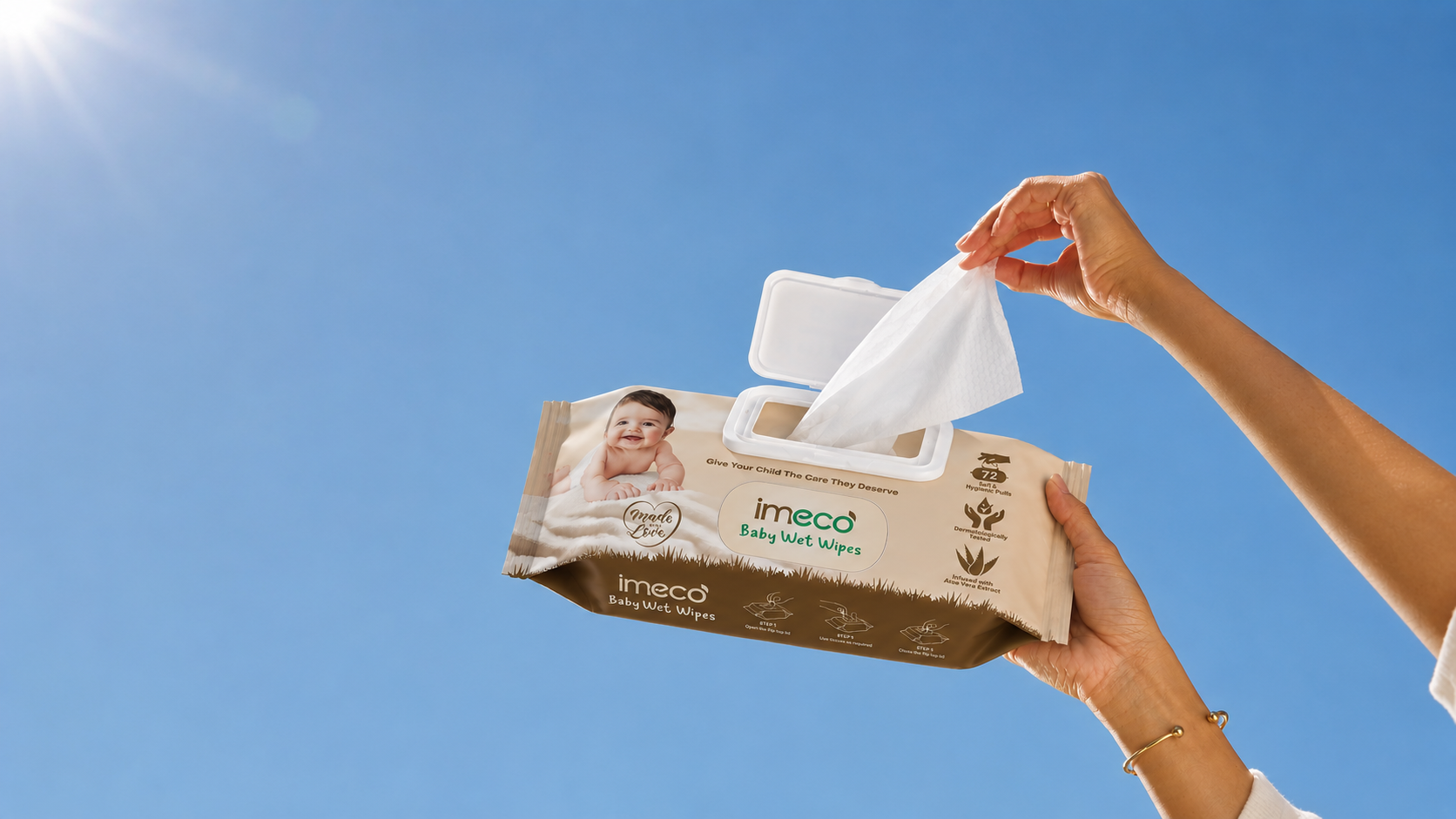
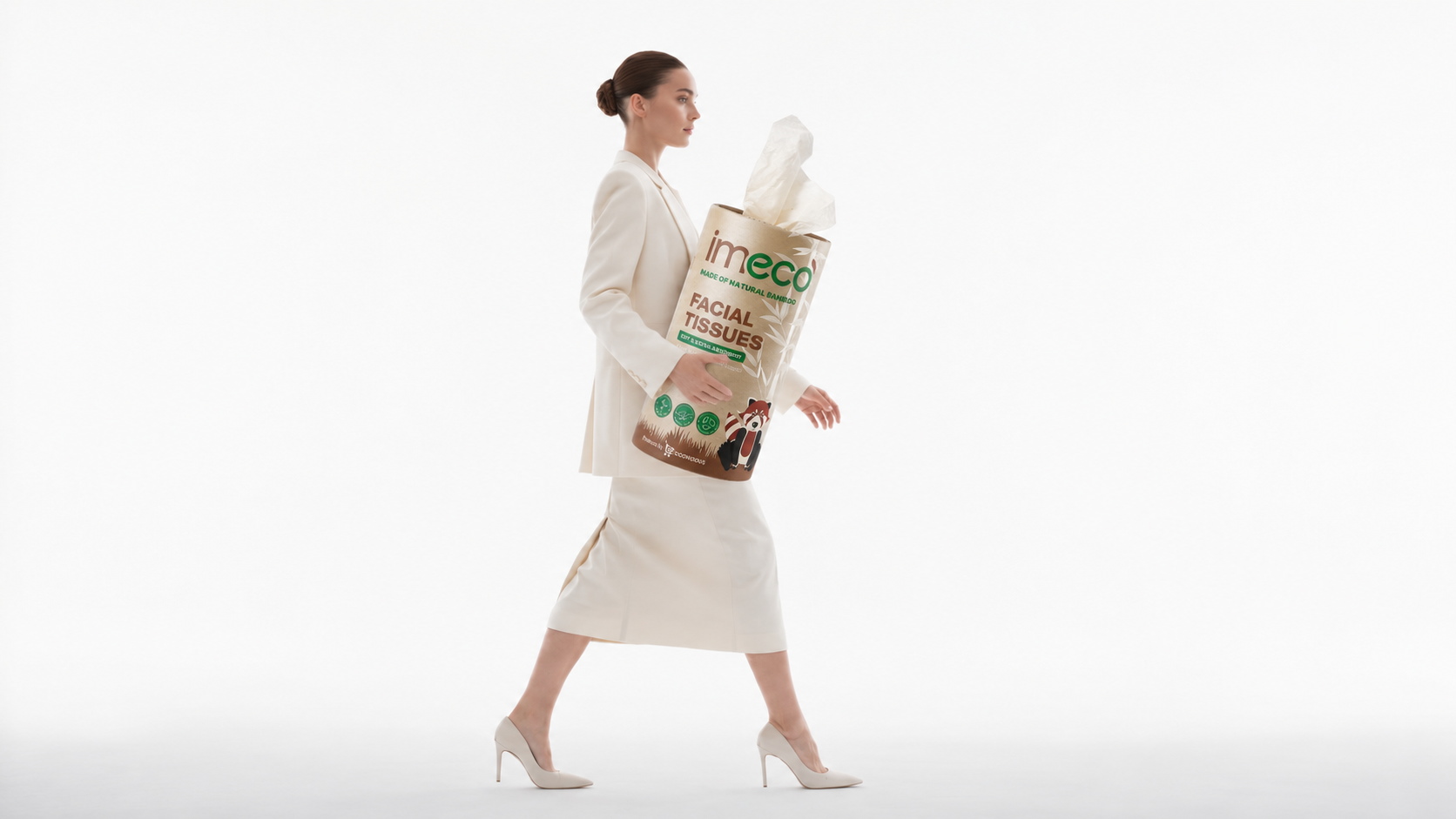
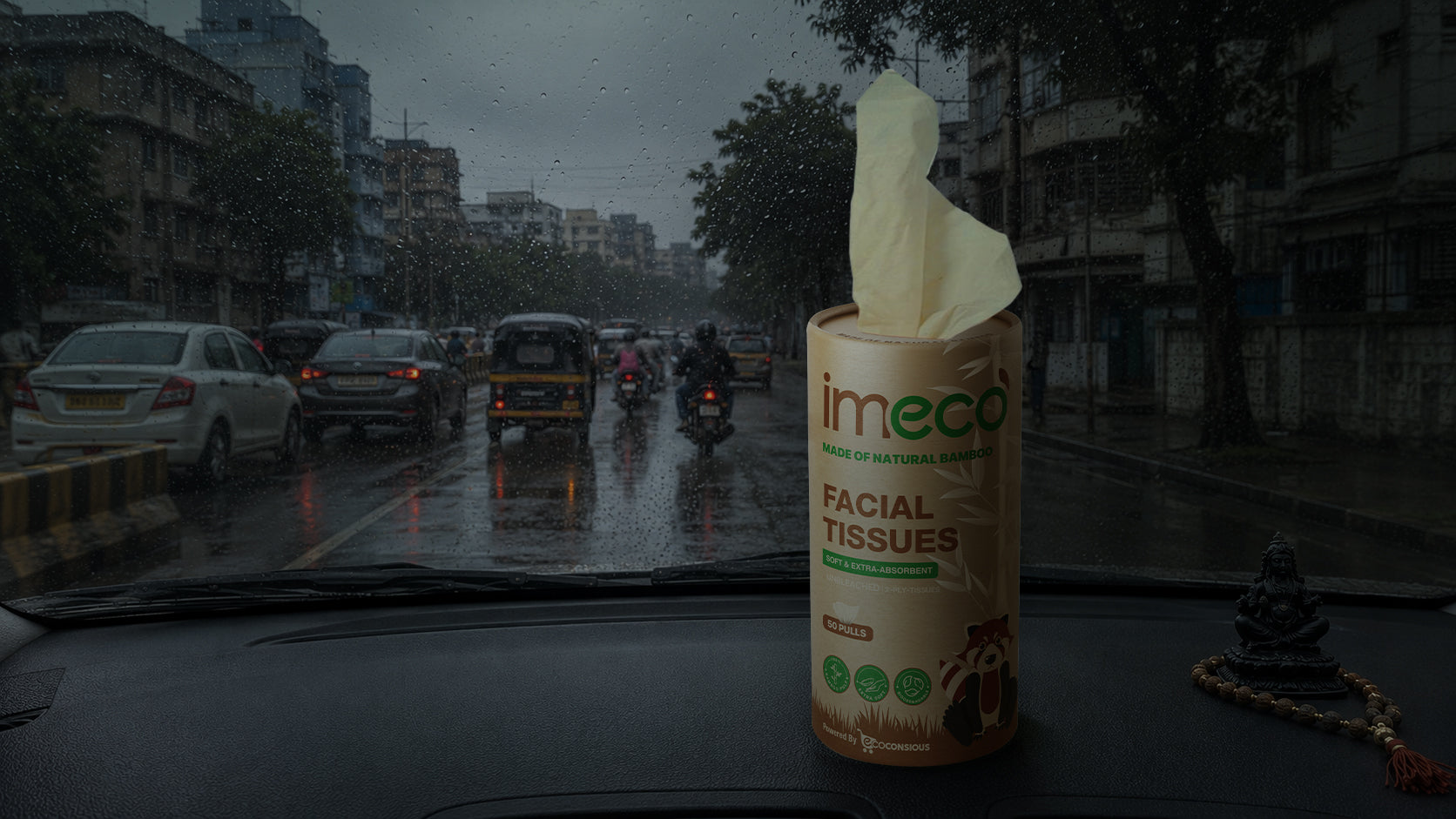
  • Biodegradable tissues.
  • Glass and stainless steel alternatives.
  • Kitchen towels that lasted longer than a single spill.

These products replaced common disposable habits without requiring lifestyle reinvention.

And the numbers showed real participation.

IMECO served more than 100K customers across India in 2025.

That figure reflects contribution, not dominance. It reflects real adoption in real homes and workplaces. It shows that sustainability is not a general idea. It is already in people’s bags, desks, car holders, and kitchens.

IMECO did not create the movement.

We supported it.

We made it easier.

We lowered the barrier to entry for people who wanted to start somewhere.

The Mindset Shift of 2025

Eco-friendly living became less of a trend and more of a habit. People stopped viewing sustainability as a sacrifice and started viewing it as common sense. They understood that reusable products save money long term. They saw that bamboo and steel lasted. They valued quality over disposability.

The rise in eco-conscious purchasing showed that sustainability in India is driven by practicality. When a product is durable, affordable, and easy to integrate, it is welcomed.

That subtle shift mattered more than dramatic gestures.
 

Where 2026 Needs to Go

The next step is simple. Eco-friendly living in India should not feel exclusive. It should feel ordinary. For that to happen, sustainable products need clearer information, more affordable pricing, stronger trust, and accessibility beyond metro cities.

If these gaps narrow, the growth we saw in 2025 will not remain a trend. It will become a habit.

And that is where brands, consumers, and communities all play a role. IMECO will continue contributing by offering practical, reusable alternatives that are easy to adopt and built for daily routines.

If you want to start 2026 with small, meaningful swaps, begin with the products you use every day. A reusable bottle. Biodegradable tissues. A kitchen towel that lasts.

Tiny steps create momentum.

Consistency creates impact.

Explore IMECO’s sustainable essentials and take the next step toward an everyday eco friendly lifestyle.

because India suddenly turned zero waste or swore off plastic forever, but because everyday people finally started paying attention. Sustainability was no longer a niche interest in metro cafes. It was showing up in homes, offices, colleges, and gyms.

Instead of just asking, “Is this cheap?” people started asking, “Is this safe? Is this reusable? Is this better?”

That shift might look small on the surface, but it mattered.

Ecoconscious Choices Rose Throughout India

This year, India saw a noticeable rise in eco-conscious buying. Searches for eco-friendly products in India, reusable bottles, bamboo drinkware, and biodegradable tissues increased considerably, especially in metro cities. More consumers actively compared reusable products with disposables and chose long-lasting options.

Festive seasons still contributed to a spike in plastic waste, but something changed around it. The conversation shifted. People started acknowledging the problem instead of pretending it did not exist. That awareness translated into purchasing decisions.

Tier two cities also saw a meaningful rise in demand for reusable products, which showed that sustainability was no longer limited to niche premium markets. It was travelling across price points, regions, and lifestyles.

Indian Shoppers Became More Practical About Sustainability

This year clarified something important. Indian customers were not looking for dramatic lifestyle overhauls. They were looking for products that worked.

  • Durability mattered.
  • Affordability mattered.
  • Safety mattered.
  • Convenience mattered.

People were willing to adopt sustainable habits, but only if those habits fit smoothly into their routines. A reusable bottle that leaks or a biodegradable tissue that tears easily was rejected instantly. Sustainability had to be functional before it could be fashionable.

In short, eco-friendly products were welcomed when they improved life, not complicated it.

The Challenges Remained Real

Good intentions collided with everyday realities. Greenwashing made customers sceptical. Lack of clear product information created confusion. Pricing barriers slowed adoption. Many consumers wanted to switch, but they wanted clarity first.

The desire for eco-conscious choices grew, but consumers expected guidance and trustworthy alternatives. They did not want to be guilted into sustainability. They wanted to be supported through it.

Where IMECO Contributed in 2025

This year, IMECO’s focus was simple. Make sustainable swaps easy. Not extreme. Not expensive. Just everyday.

  • Reusable bottles.
  • Biodegradable tissues.
  • Glass and stainless steel alternatives.
  • Kitchen towels that lasted longer than a single spill.

These products replaced common disposable habits without requiring lifestyle reinvention.

And the numbers showed real participation.

IMECO served more than 100K customers across India in 2025.

That figure reflects contribution, not dominance. It reflects real adoption in real homes and workplaces. It shows that sustainability is not a general idea. It is already in people’s bags, desks, car holders, and kitchens.

IMECO did not create the movement.

We supported it.

We made it easier.

We lowered the barrier to entry for people who wanted to start somewhere.

The Mindset Shift of 2025

Eco-friendly living became less of a trend and more of a habit. People stopped viewing sustainability as a sacrifice and started viewing it as common sense. They understood that reusable products save money long term. They saw that bamboo and steel lasted. They valued quality over disposability.

The rise in eco-conscious purchasing showed that sustainability in India is driven by practicality. When a product is durable, affordable, and easy to integrate, it is welcomed.

That subtle shift mattered more than dramatic gestures.