Wishlist

Let’s start with an honest question.

When was the last time you actually thought about how to brush hair properly?

Most of us don’t. We just grab whatever’s nearby, drag it through, wince a little, and call it grooming.

But here’s the thing. The way you brush your hair directly affects breakage, frizz, scalp health, and even shine. So yes, brushing is basic. But doing it properly? That’s where the real difference shows.

Why Brushing Your Hair Properly Actually Matters

Brushing isn’t just about detangling. It helps:

  • Distribute natural scalp oils from roots to ends
  • Improve scalp circulation
  • Reduce knots and breakage
  • Add smoothness and shine

But aggressive brushing or using the wrong tool? That’s how you get split ends and unnecessary hair fall.

Learning how to brush hair properly means starting from the ends, working upward in sections, and never dragging a brush through tight knots. Gentle strokes. Patience. That’s the secret.

How Often Should You Brush Your Hair (And When to Avoid It)

“How often should I brush my hair?” is one of the most common hair care questions.

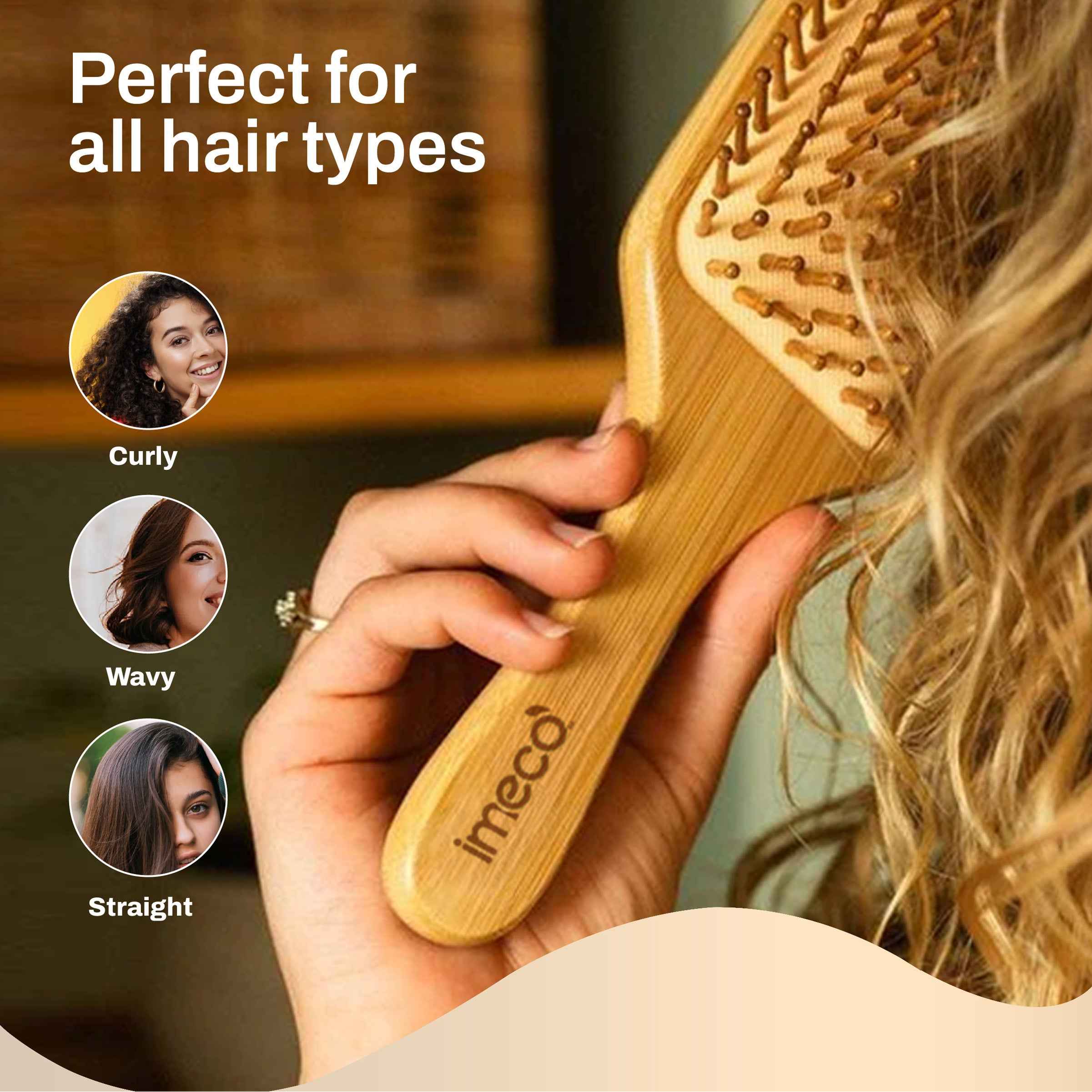
For most hair types, once or twice a day is enough. Overbrushing doesn’t make hair healthier. It just stresses it out.

And here’s an important one. Avoid brushing soaking-wet hair with a regular brush. Wet strands are more elastic and prone to breakage. That’s when a wide-tooth comb works better.

Choosing the Right Hair Tool: Brush vs Comb Explained

Not all hair tools are created equal.

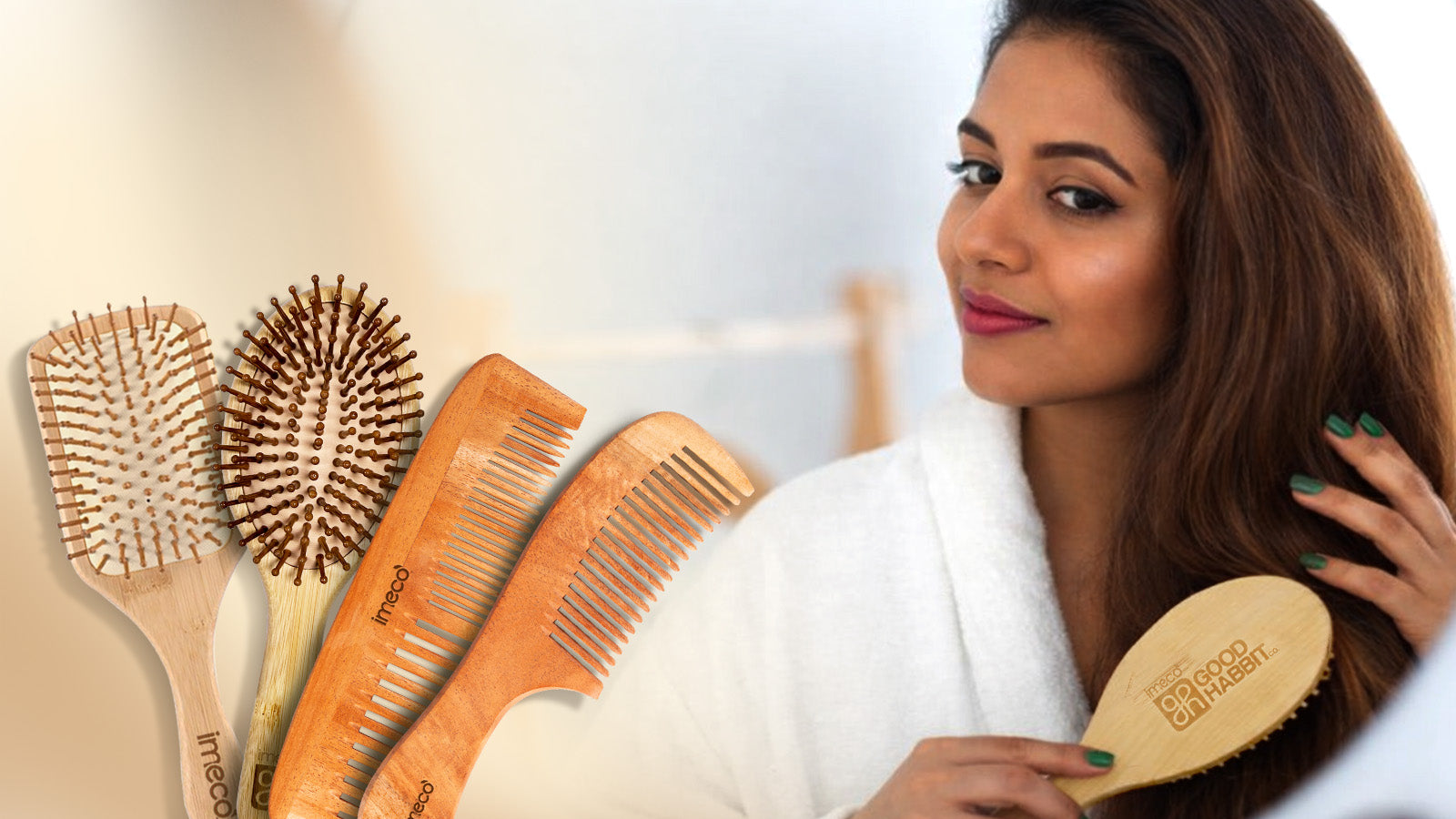
A paddle brush is ideal for smoothing, detangling, and everyday styling. It works well for long or thick hair and helps distribute oils evenly.

A wide-tooth comb is better for wet hair and gentle detangling. It reduces pulling and minimises breakage.

A dual-tooth comb gives you flexibility. Wider gaps for knots, finer teeth for shaping and finishing.

That’s why your routine shouldn’t rely on just one tool. Let us give you the right hair combs for all your needs.

Benefits of Using IMECO Good Habit Paddle Brush (Oval)

If you want a reliable everyday brush, the IMECO Good Habit Paddle Brush (Oval) is built for comfort and control.

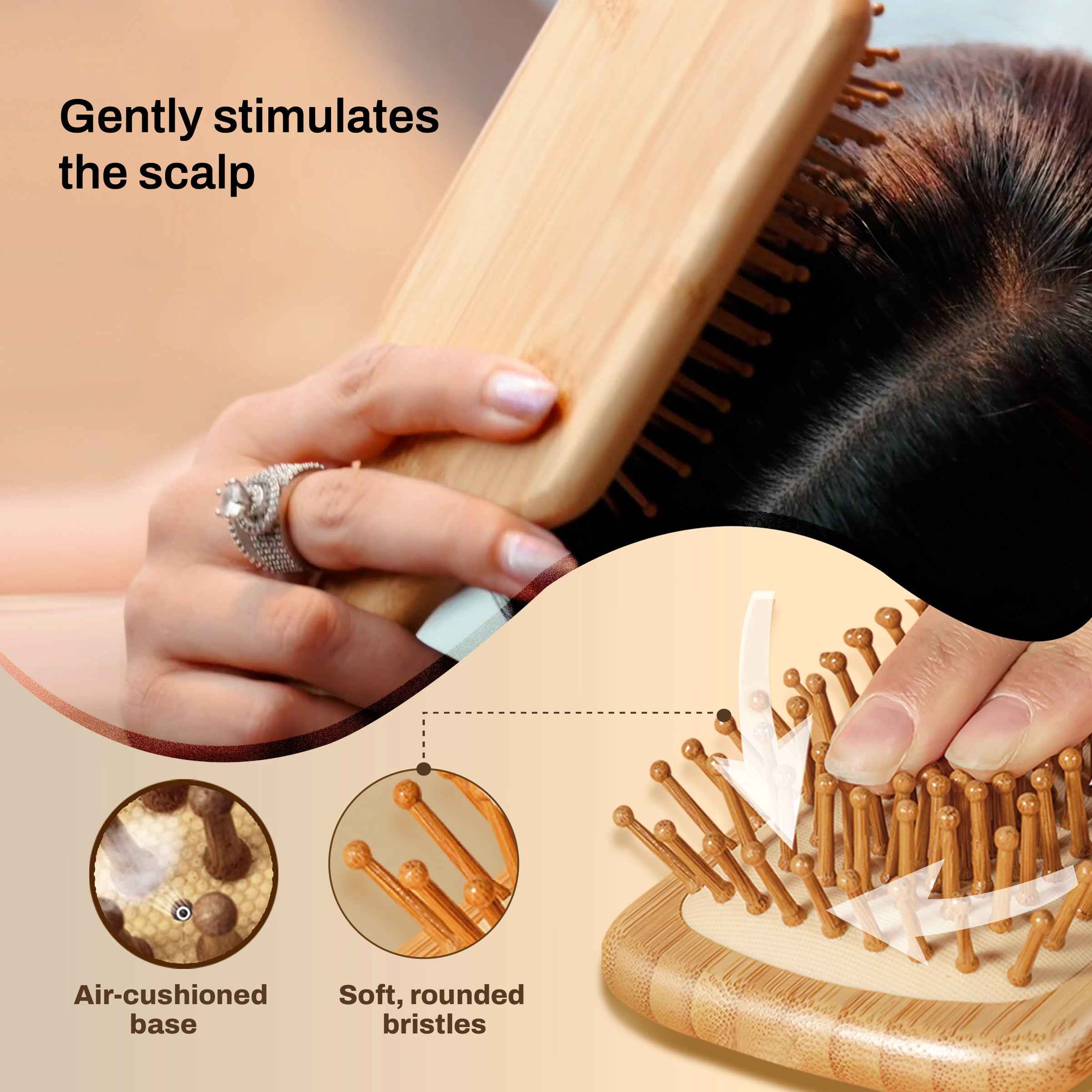
Its cushioned base helps reduce tension on the scalp, while the oval shape allows smoother strokes through mid-lengths and ends. It’s ideal for daily brushing, distributing natural oils, and reducing frizz without pulling.

Used correctly, it supports healthier-looking hair simply by making brushing gentler.

Why Neem Wood Combs (Dual Tooth & Wide Tooth) Are Gentler on Hair

Let’s talk about material. Because yes, it matters.

The IMECO Neem Wood Comb (Dual Tooth & Wide Tooth) isn’t just aesthetic. Neem wood is naturally anti-static and smoother on strands compared to plastic combs. That means less friction, less breakage, and fewer flyaways.

The wide-tooth side is perfect for wet detangling. The dual-tooth side helps with daily styling and shaping.

If you’re serious about how to brush hair properly, switching from plastic to neem wood is a small but meaningful upgrade.

How IMECO Bamboo Paddle Hair Brush (Square) Supports Healthier Hair

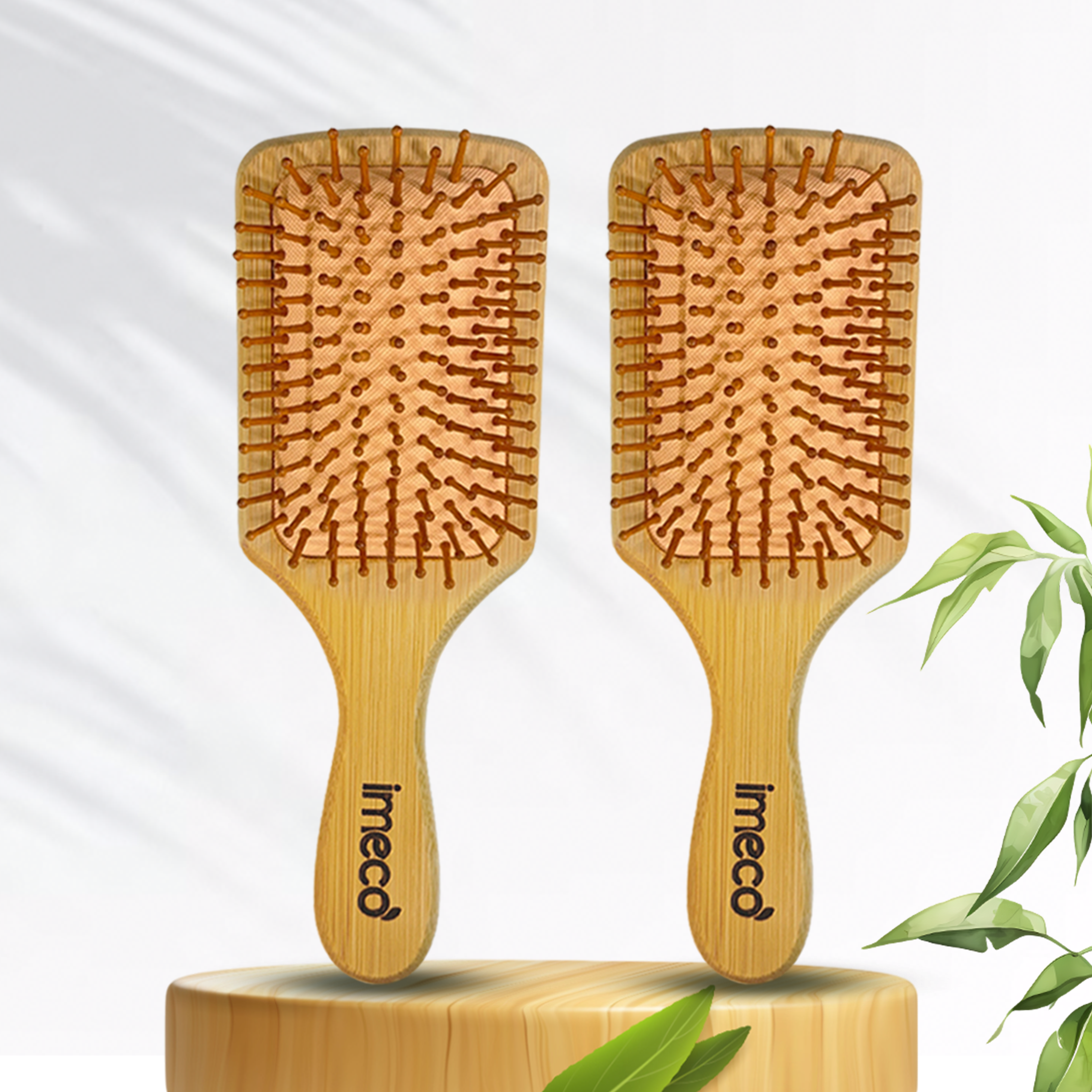
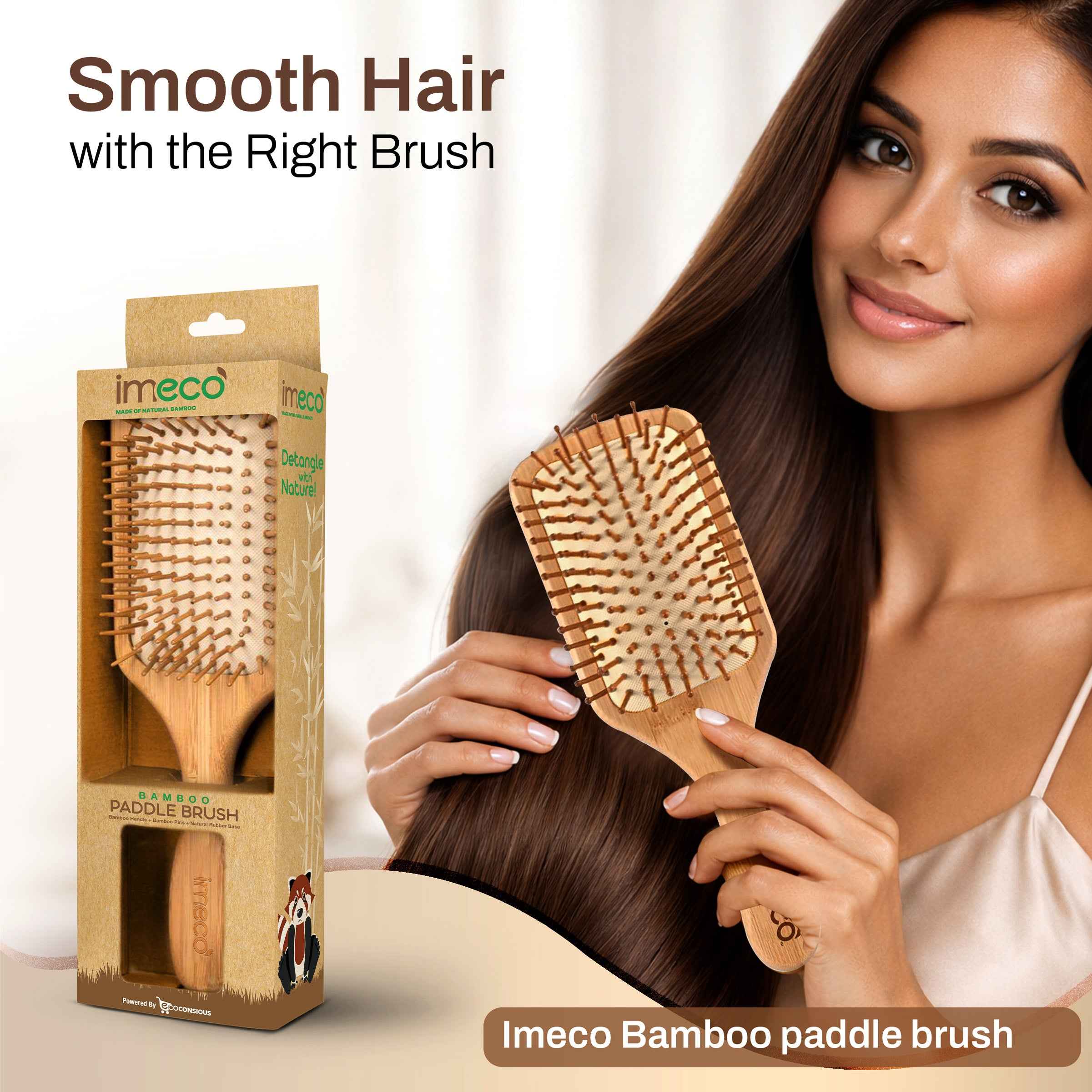
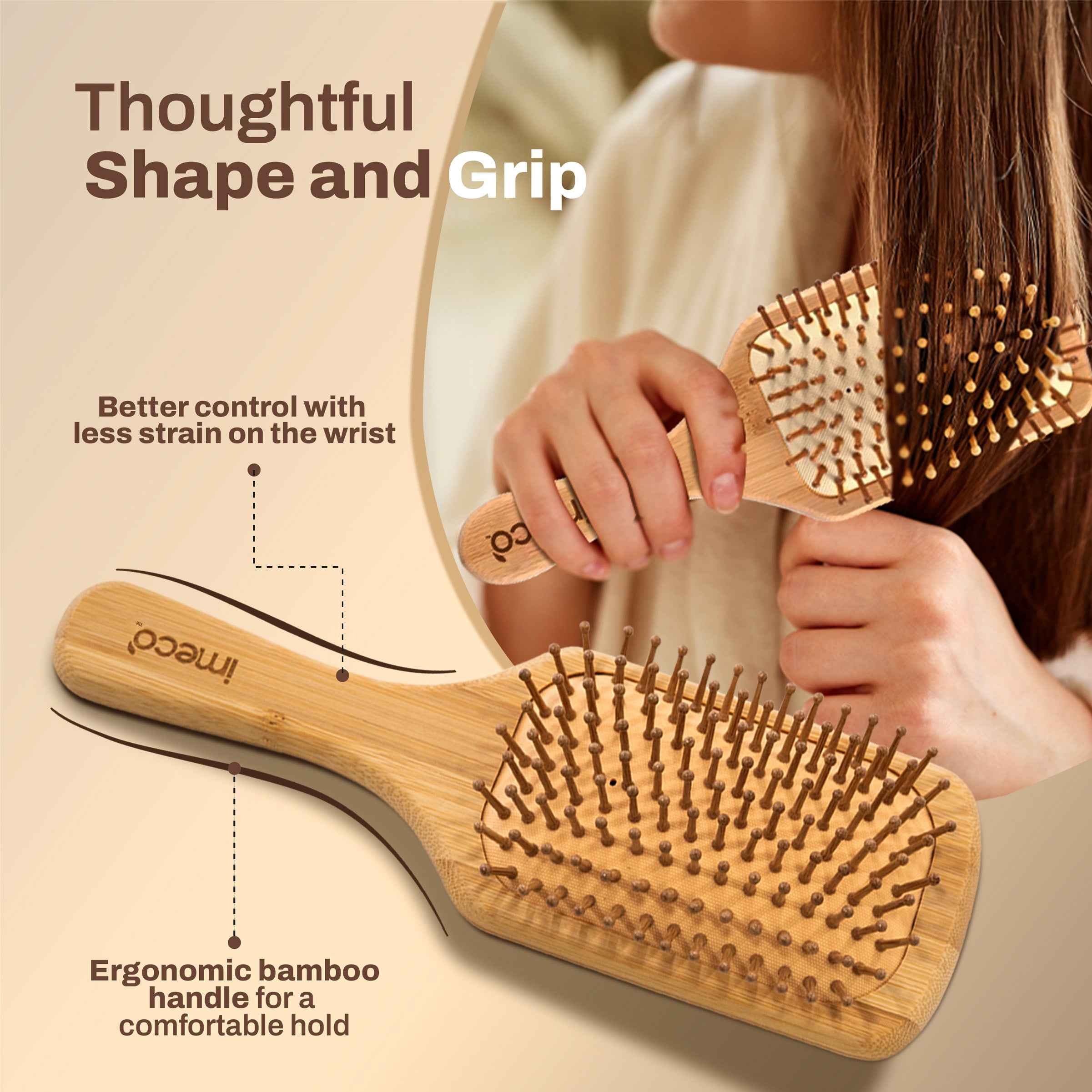
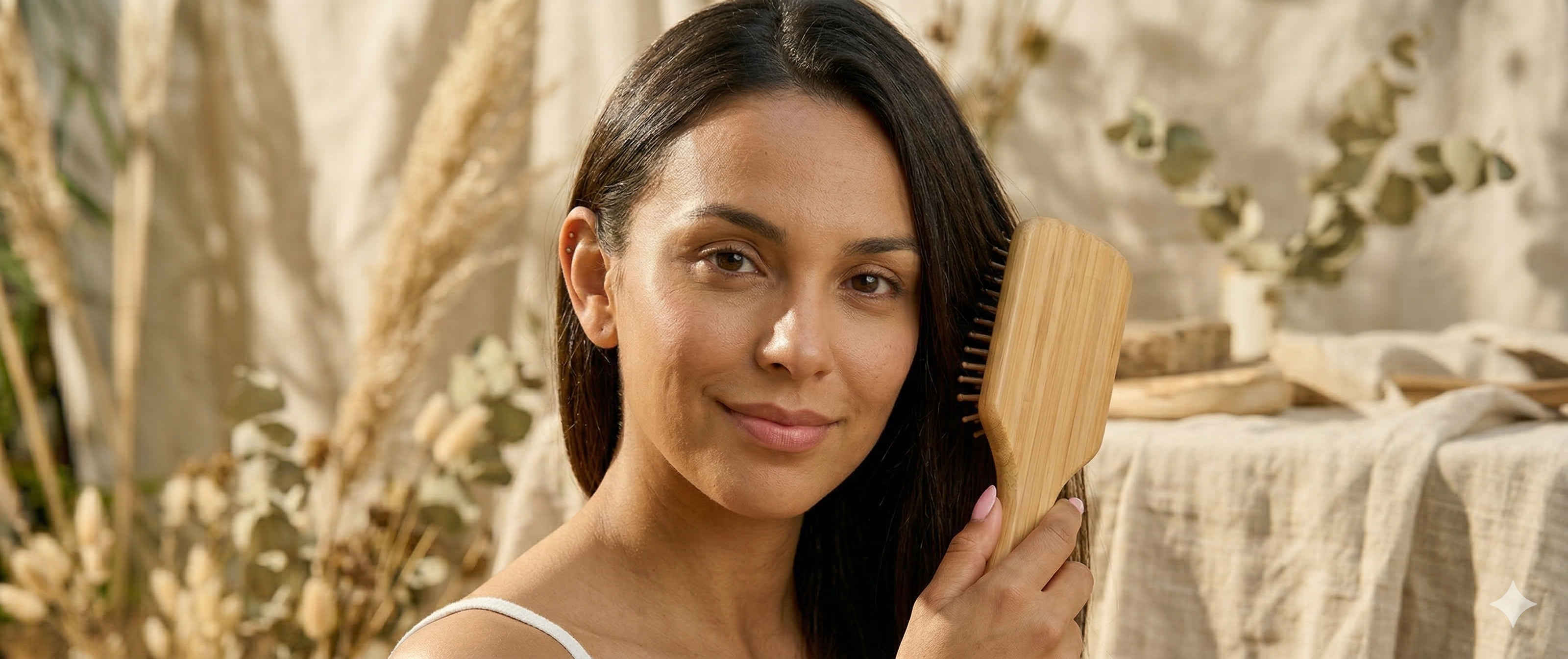
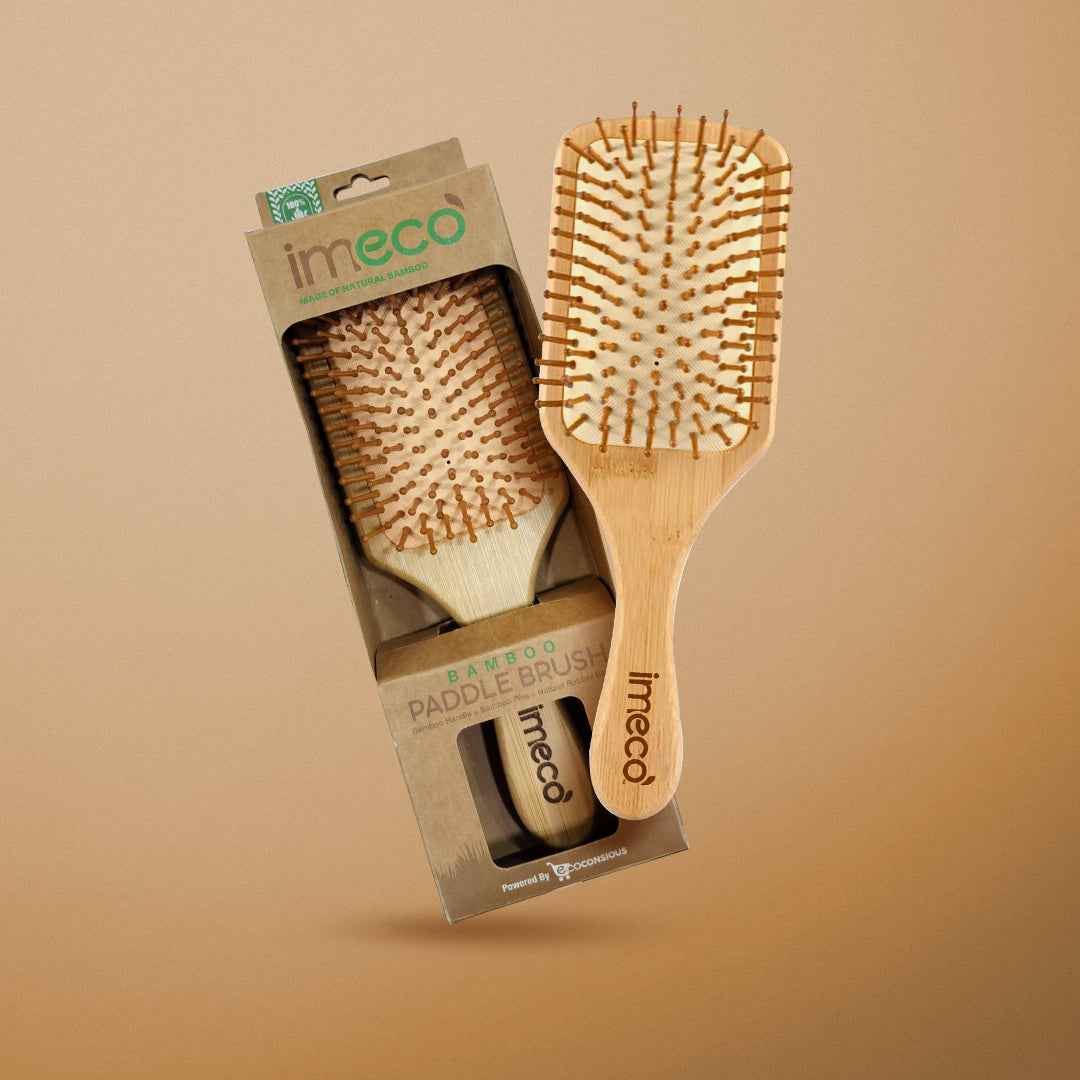
For broader coverage and smoothing thicker hair, the IMECO Bamboo Paddle Hair Brush (Square) is a strong everyday tool.

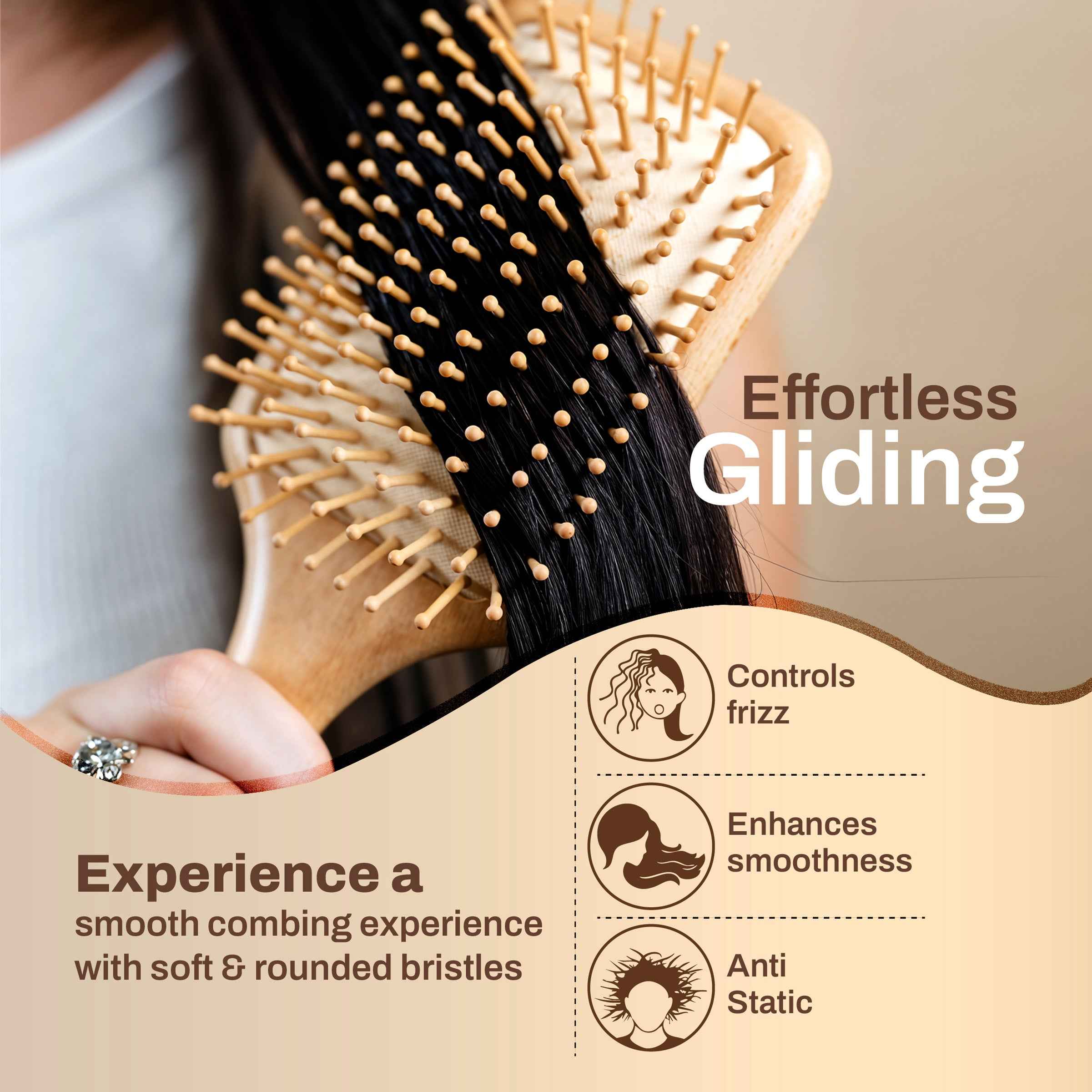
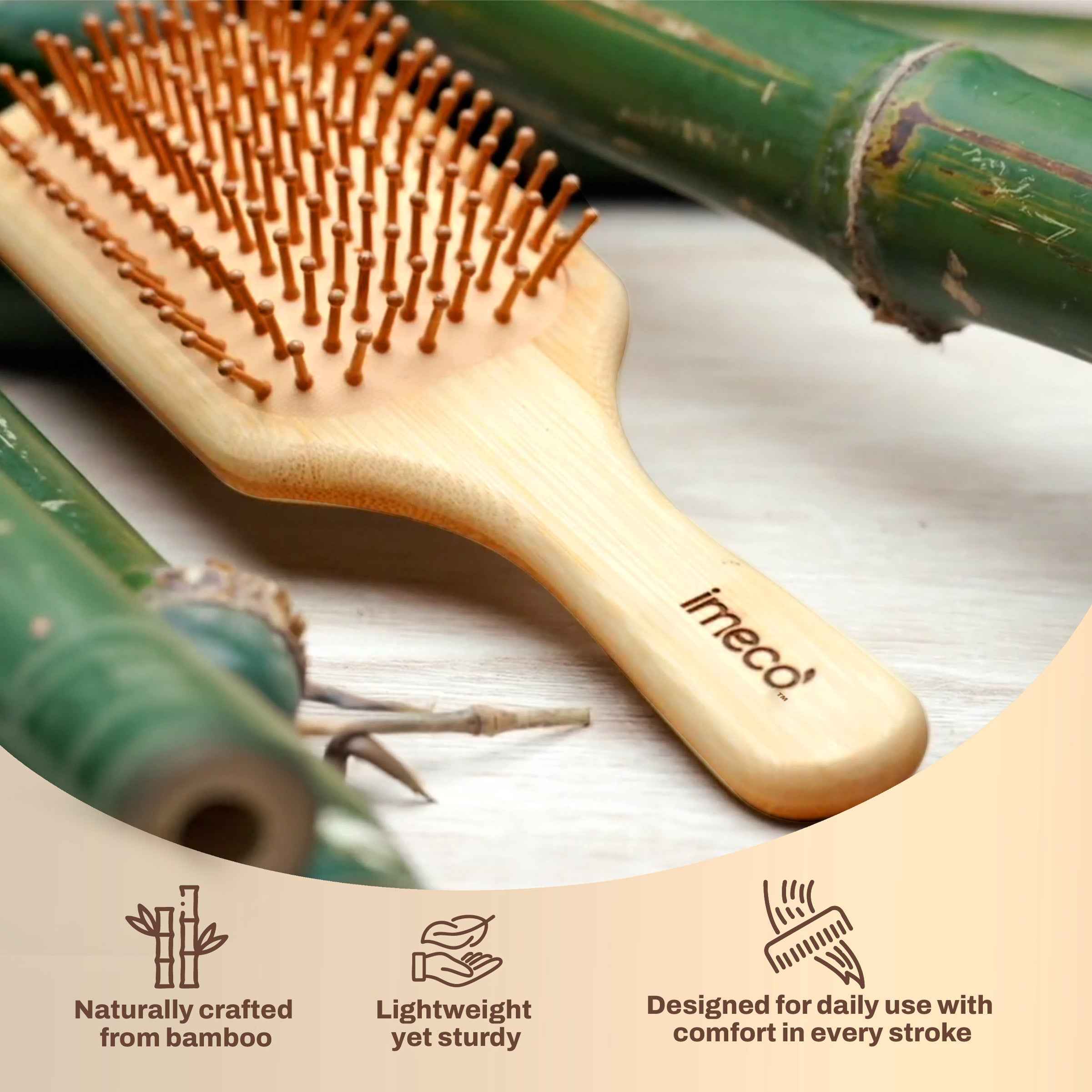
The square shape covers more surface area, making it efficient for long or dense hair. Bamboo construction reduces static and feels lightweight yet durable.

It’s especially useful for straightening strokes, blow-drying support, and taming frizz.

When used consistently, it helps maintain shine and minimise mechanical damage caused by harsh brushing.
Build a Better Hair Routine with IMECO Hair Care Tools

Healthy hair doesn’t come from expensive serums alone. It comes from small, consistent habits.

  • Brush gently, starting from the ends.
  • Use a wide-tooth comb for wet hair.
  • Choose natural materials like bamboo and neem wood.
  • Avoid overbrushing.

Whether you prefer the IMECO Good Habit Paddle Brush (Oval), the IMECO Bamboo Paddle Hair Brush (Square), or the IMECO Neem Wood Comb (Dual Tooth & Wide Tooth), the goal is simple.

Make brushing kinder. Because sometimes better hair isn’t about adding more products. 

It’s about using better tools and building better habits. Wish you a happy, strong & healthy hair from IMECO.

FAQs

1. How often should I brush my hair?

Most people benefit from brushing once or twice a day, depending on hair type and texture.

2. Is it bad to brush hair when it’s wet?

Yes, wet hair is more fragile. If needed, use a wide-tooth comb gently instead of a brush.

3. Can brushing help reduce hair fall?

Brushing doesn’t stop hair fall, but proper brushing reduces breakage and tangling.

4. Should I use a brush or a comb?

Use a comb for detangling and a paddle brush for smoothing and daily styling.

5. Does the material of a brush or comb matter?

Yes. Natural materials like bamboo and neem wood are gentler and reduce static and breakage.

Let’s start with an honest question.

When was the last time you actually thought about how to brush hair properly?

Most of us don’t. We just grab whatever’s nearby, drag it through, wince a little, and call it grooming.

But here’s the thing. The way you brush your hair directly affects breakage, frizz, scalp health, and even shine. So yes, brushing is basic. But doing it properly? That’s where the real difference shows.

Why Brushing Your Hair Properly Actually Matters

Brushing isn’t just about detangling. It helps:

  • Distribute natural scalp oils from roots to ends
  • Improve scalp circulation
  • Reduce knots and breakage
  • Add smoothness and shine

But aggressive brushing or using the wrong tool? That’s how you get split ends and unnecessary hair fall.

Learning how to brush hair properly means starting from the ends, working upward in sections, and never dragging a brush through tight knots. Gentle strokes. Patience. That’s the secret.

How Often Should You Brush Your Hair (And When to Avoid It)

“How often should I brush my hair?” is one of the most common hair care questions.

For most hair types, once or twice a day is enough. Overbrushing doesn’t make hair healthier. It just stresses it out.

And here’s an important one. Avoid brushing soaking-wet hair with a regular brush. Wet strands are more elastic and prone to breakage. That’s when a wide-tooth comb works better.

Choosing the Right Hair Tool: Brush vs Comb Explained

Not all hair tools are created equal.

A paddle brush is ideal for smoothing, detangling, and everyday styling. It works well for long or thick hair and helps distribute oils evenly.

A wide-tooth comb is better for wet hair and gentle detangling. It reduces pulling and minimises breakage.

A dual-tooth comb gives you flexibility. Wider gaps for knots, finer teeth for shaping and finishing.

That’s why your routine shouldn’t rely on just one tool. Let us give you the right hair combs for all your needs.

Benefits of Using IMECO Good Habit Paddle Brush (Oval)

If you want a reliable everyday brush, the IMECO Good Habit Paddle Brush (Oval) is built for comfort and control.

Its cushioned base helps reduce tension on the scalp, while the oval shape allows smoother strokes through mid-lengths and ends. It’s ideal for daily brushing, distributing natural oils, and reducing frizz without pulling.

Used correctly, it supports healthier-looking hair simply by making brushing gentler.

Why Neem Wood Combs (Dual Tooth & Wide Tooth) Are Gentler on Hair

Let’s talk about material. Because yes, it matters.

The IMECO Neem Wood Comb (Dual Tooth & Wide Tooth) isn’t just aesthetic. Neem wood is naturally anti-static and smoother on strands compared to plastic combs. That means less friction, less breakage, and fewer flyaways.

The wide-tooth side is perfect for wet detangling. The dual-tooth side helps with daily styling and shaping.

If you’re serious about how to brush hair properly, switching from plastic to neem wood is a small but meaningful upgrade.

How IMECO Bamboo Paddle Hair Brush (Square) Supports Healthier Hair

For broader coverage and smoothing thicker hair, the IMECO Bamboo Paddle Hair Brush (Square) is a strong everyday tool.

The square shape covers more surface area, making it efficient for long or dense hair. Bamboo construction reduces static and feels lightweight yet durable.

It’s especially useful for straightening strokes, blow-drying support, and taming frizz.

When used consistently, it helps maintain shine and minimise mechanical damage caused by harsh brushing.