Wishlist

There’s something oddly revealing about a person’s desk setup.

Not in the obvious “messy desk equals messy life” kind of way, but in a quieter psychological sense. The spaces we spend hours in every day slowly shape how we think, feel, and function, often without us even realising it.

Environmental psychologists have studied this for years. The brain constantly processes visual information from its surroundings, even when we think we’re ignoring it. A cluttered desk filled with loose papers, tangled chargers, misplaced bottles, random wrappers, and scattered essentials creates what researchers call cognitive overload.

In simple terms, the brain has to work harder to filter unnecessary information, which subtly increases mental fatigue over time.

 Let’s look at what usually makes certain desk setups feel calmer than others. Most of the time, it’s not the expensive décor or perfectly styled aesthetic.

It’s the smaller details that reduce visual chaos and make the space feel easier to function in.

Why Small Everyday Objects Matter More Than We Think

Interestingly, the difference is rarely about expensive décor or perfectly aesthetic interiors. More often, it comes down to whether the environment feels easy to exist in.

Behavioural psychology suggests that humans naturally repeat behaviours that feel convenient and frictionless. If tissues are easy to reach, people use them more consistently. If bottles stay visible on the desk, hydration habits improve naturally. Over time, these tiny systems shape the emotional experience of a workspace.

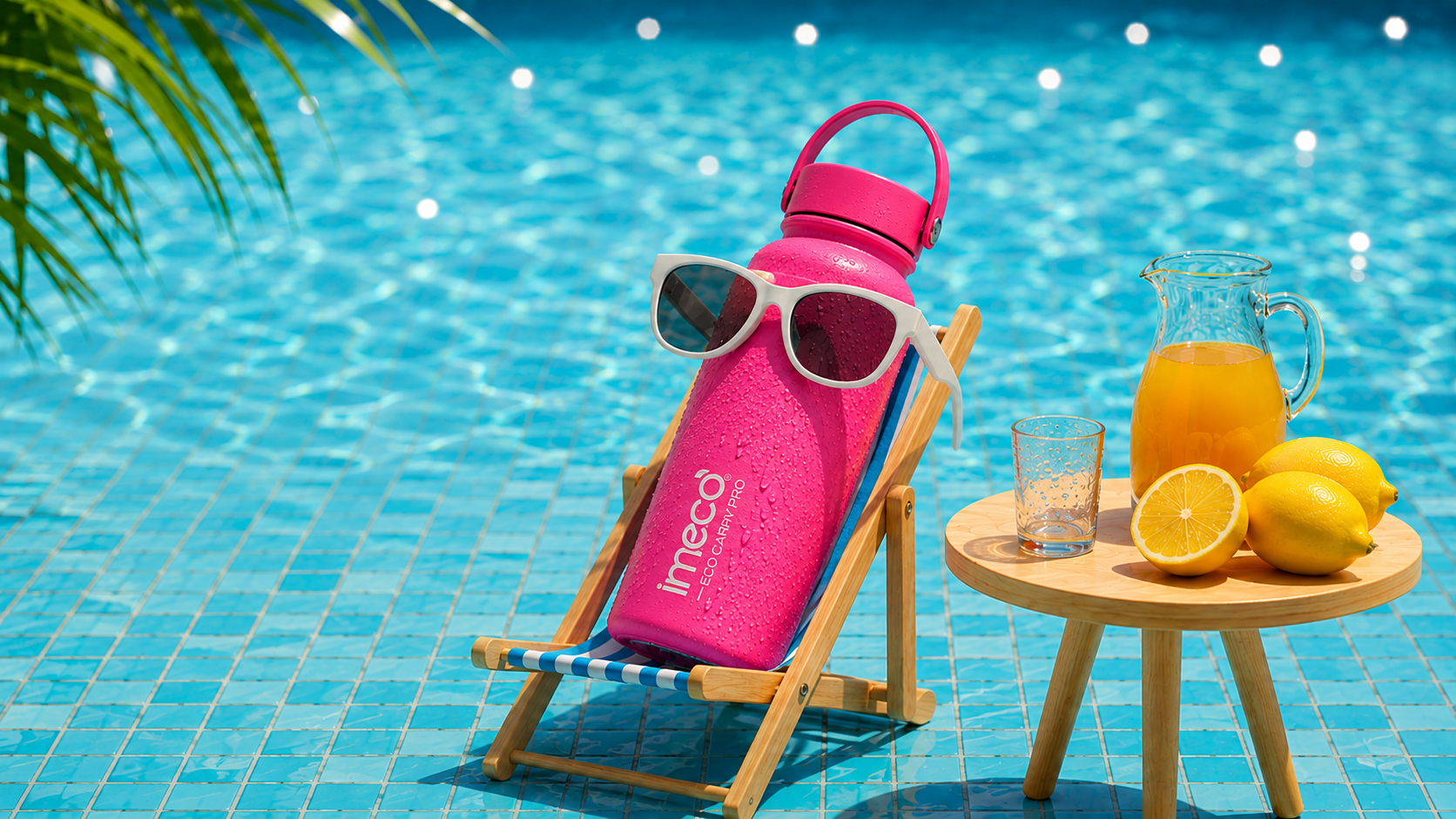
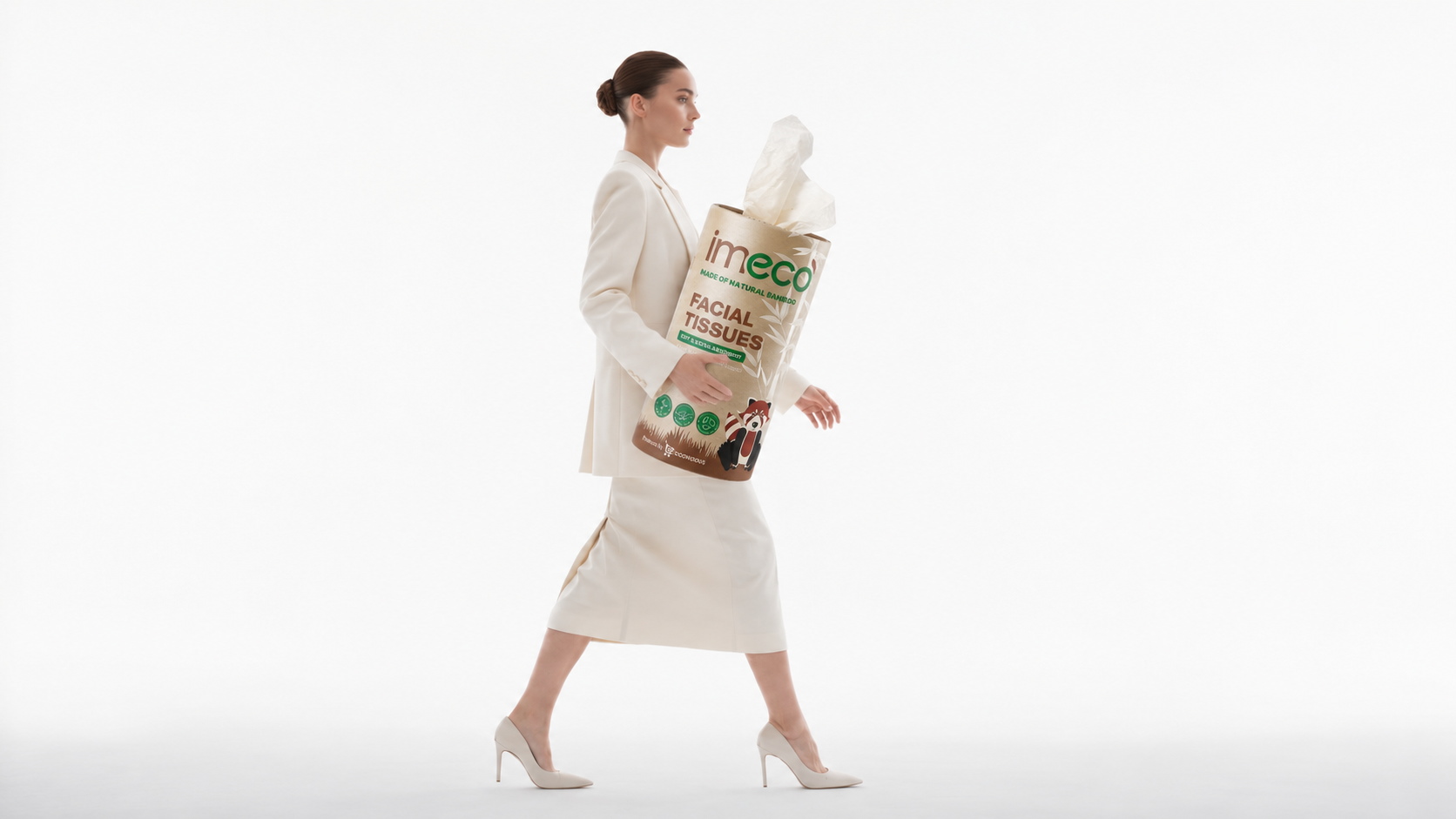
Products like ECO MIST and ECO JAR fit naturally into this shift because they make daily routines feel smoother without adding visual clutter. Similarly, keeping IMECO Facial Tissues nearby removes the small but constant inconvenience of searching for napkins or tissues during busy work hours.

These may sound like very ordinary details, but psychologically, ordinary details are often what shape how a space feels.
The Shift Towards Softer Productivity

A few years ago, workspaces were designed to look hyper-efficient and intensely corporate. Now, people are moving toward softer environments that feel calming rather than overstimulating.

Pinterest-inspired desks, warm tones, functional organisation, and minimal utility products have become popular because they create emotional ease after long hours of screens, notifications, and constant mental noise.

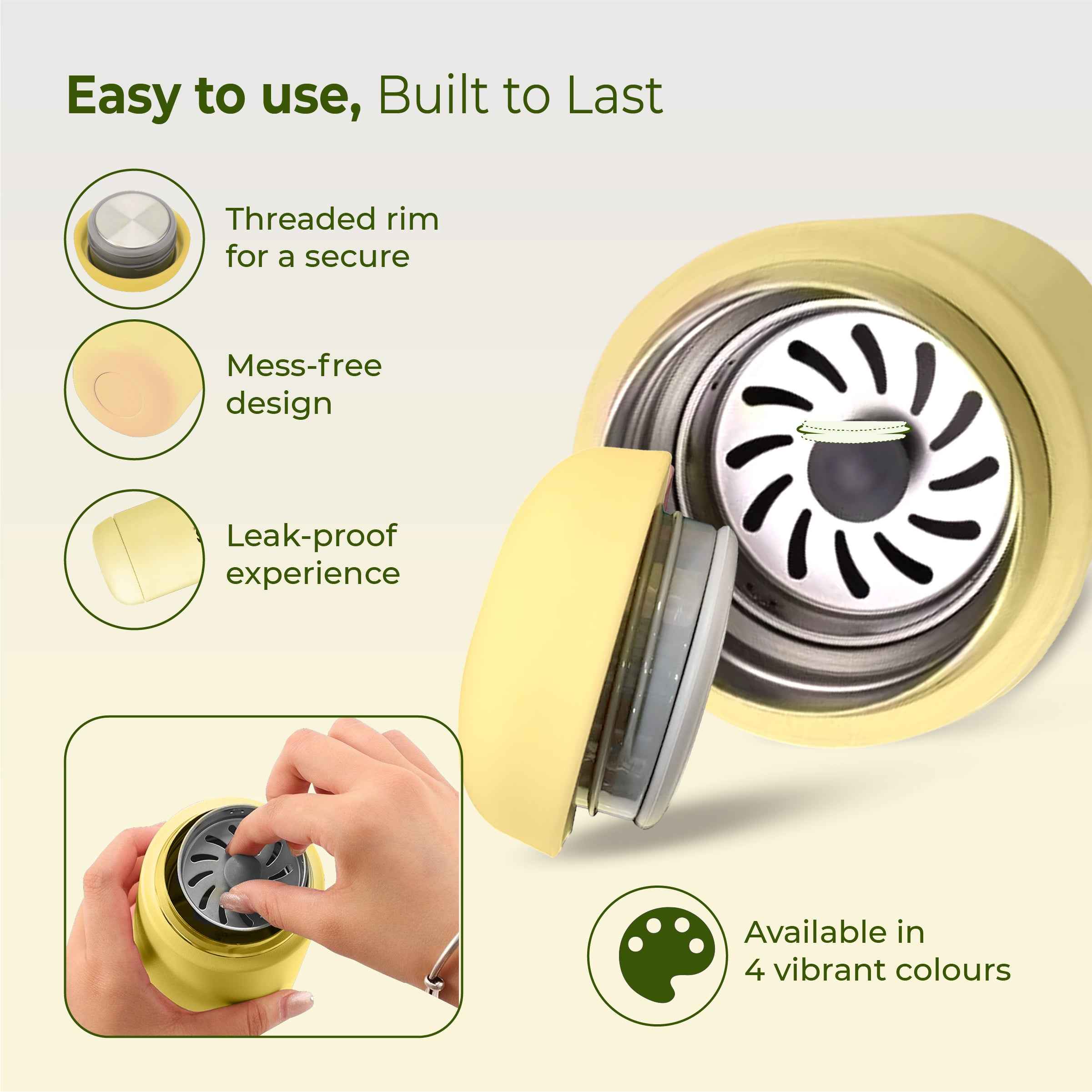
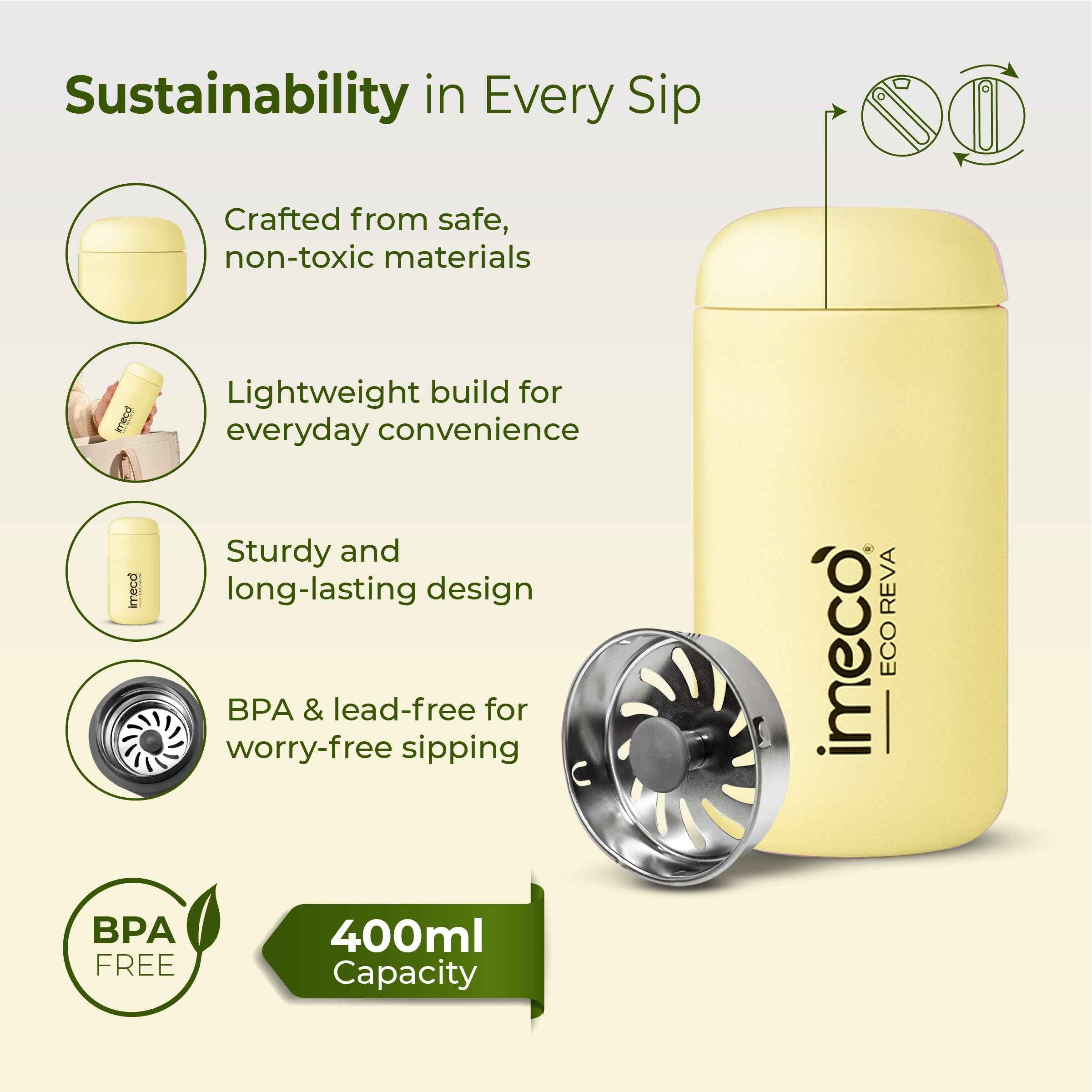
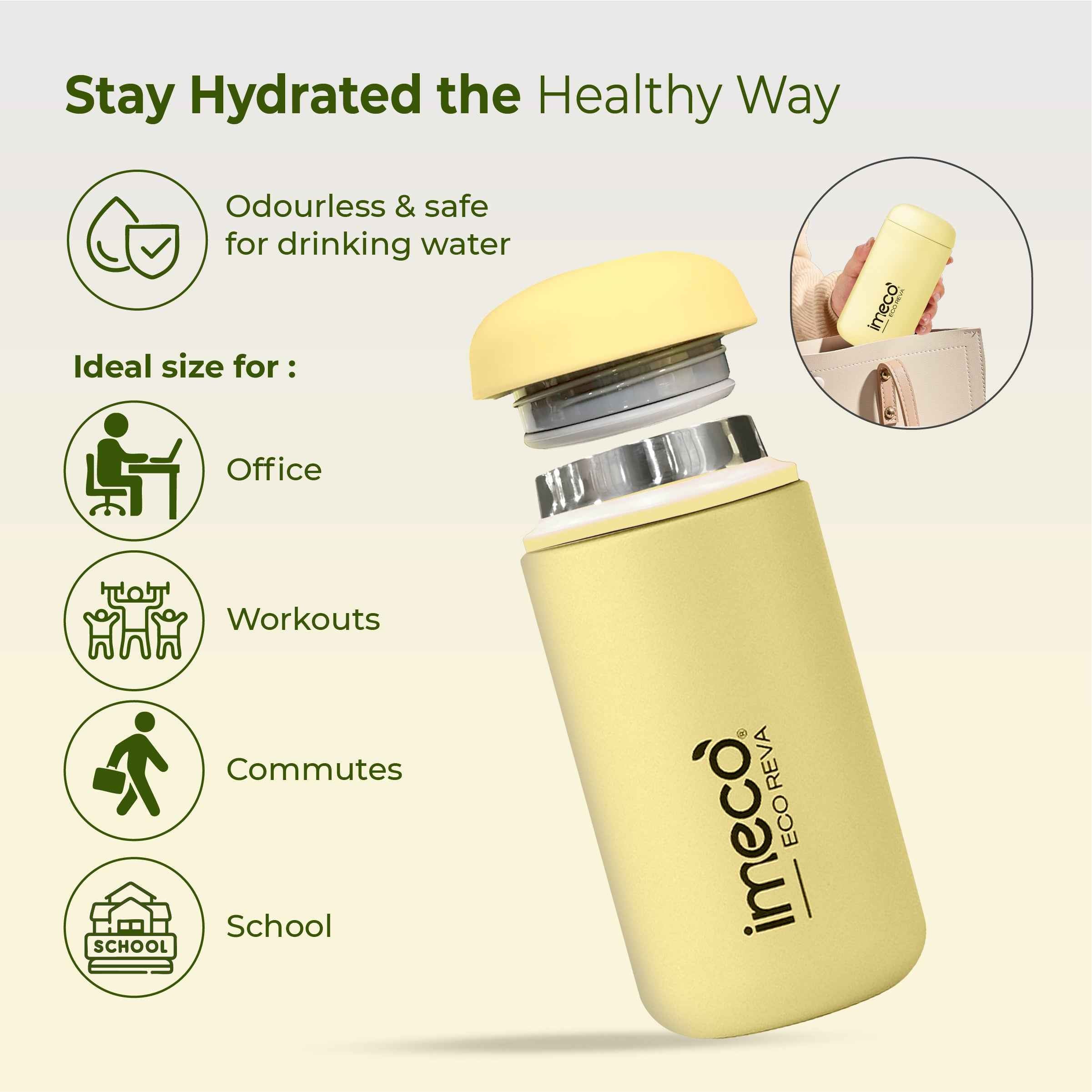
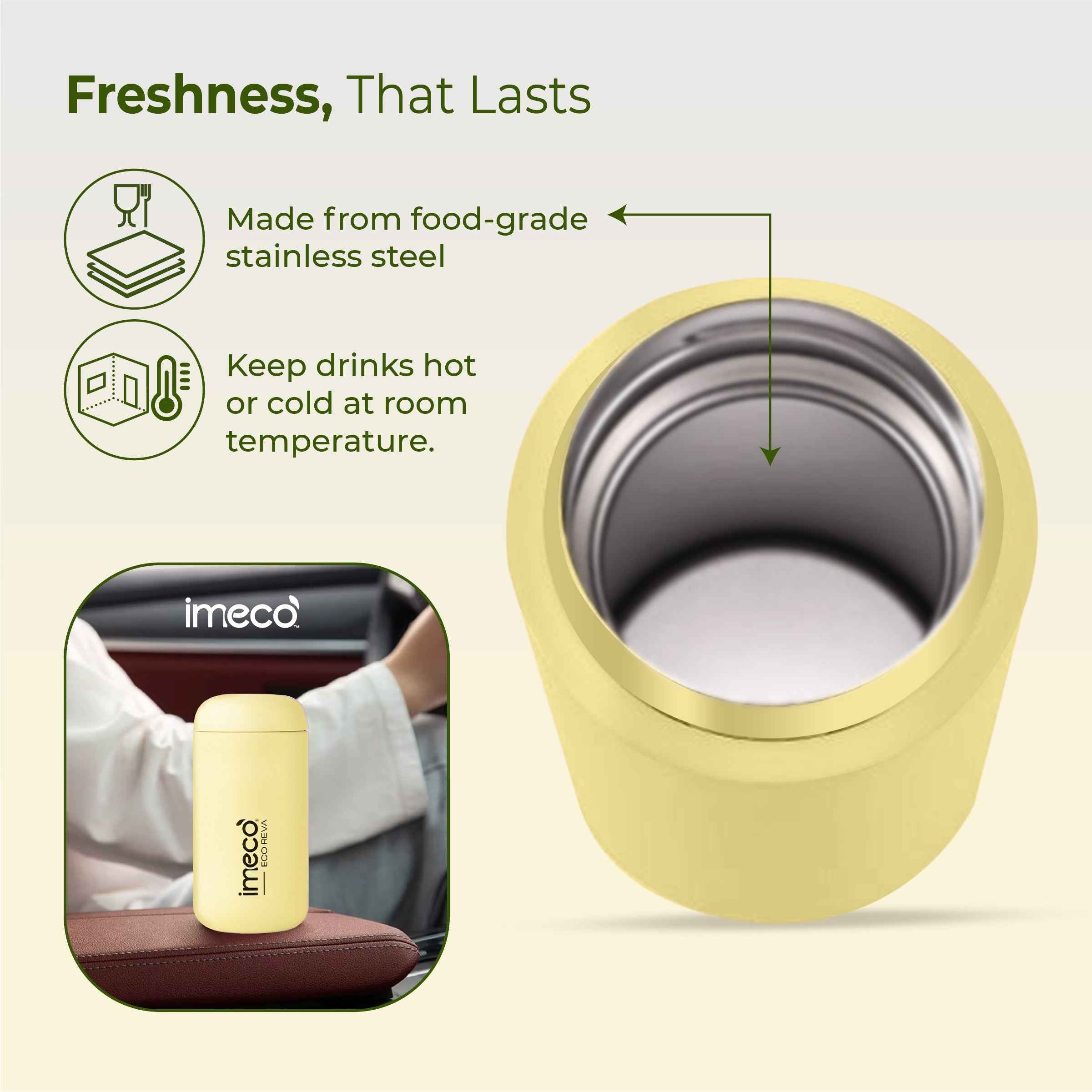
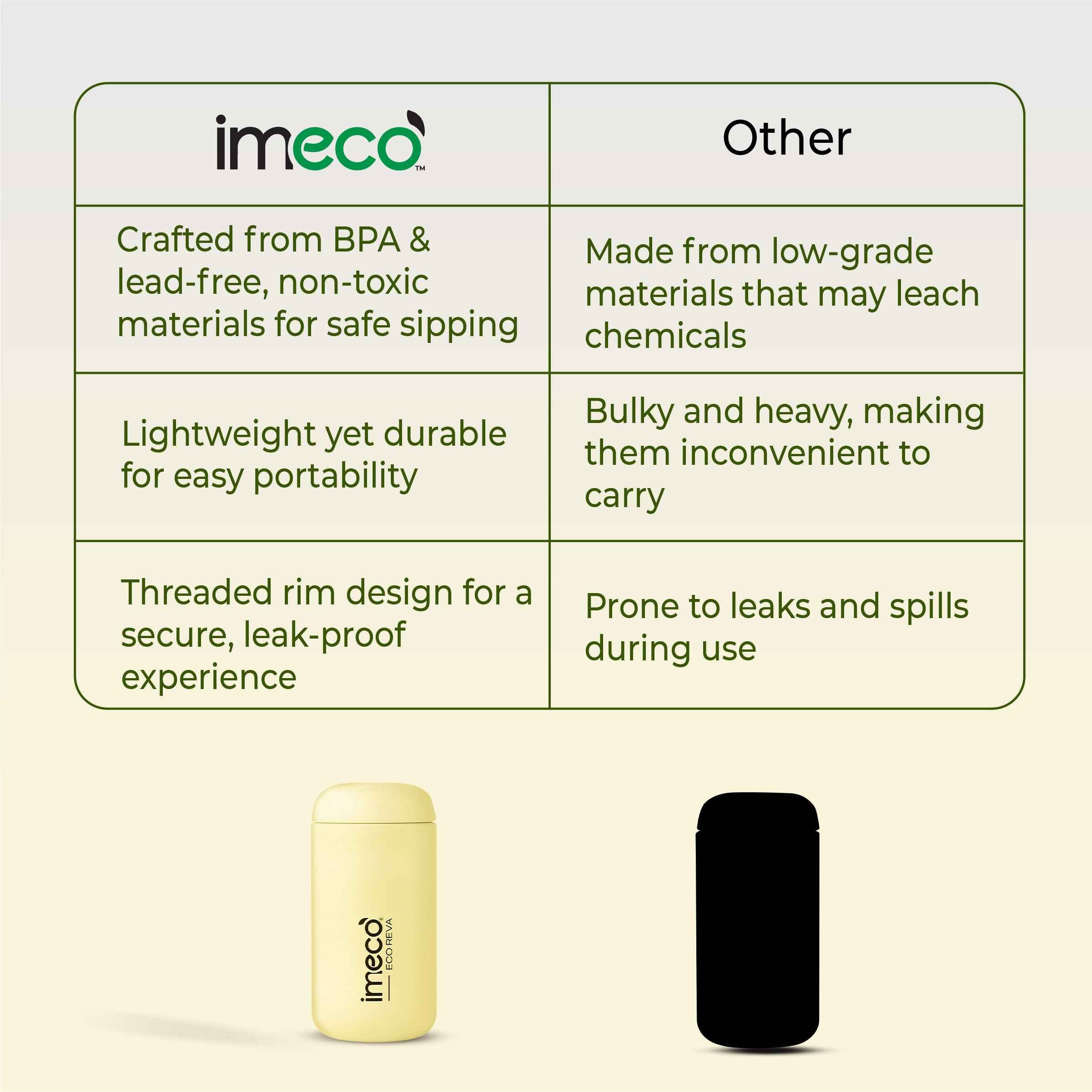
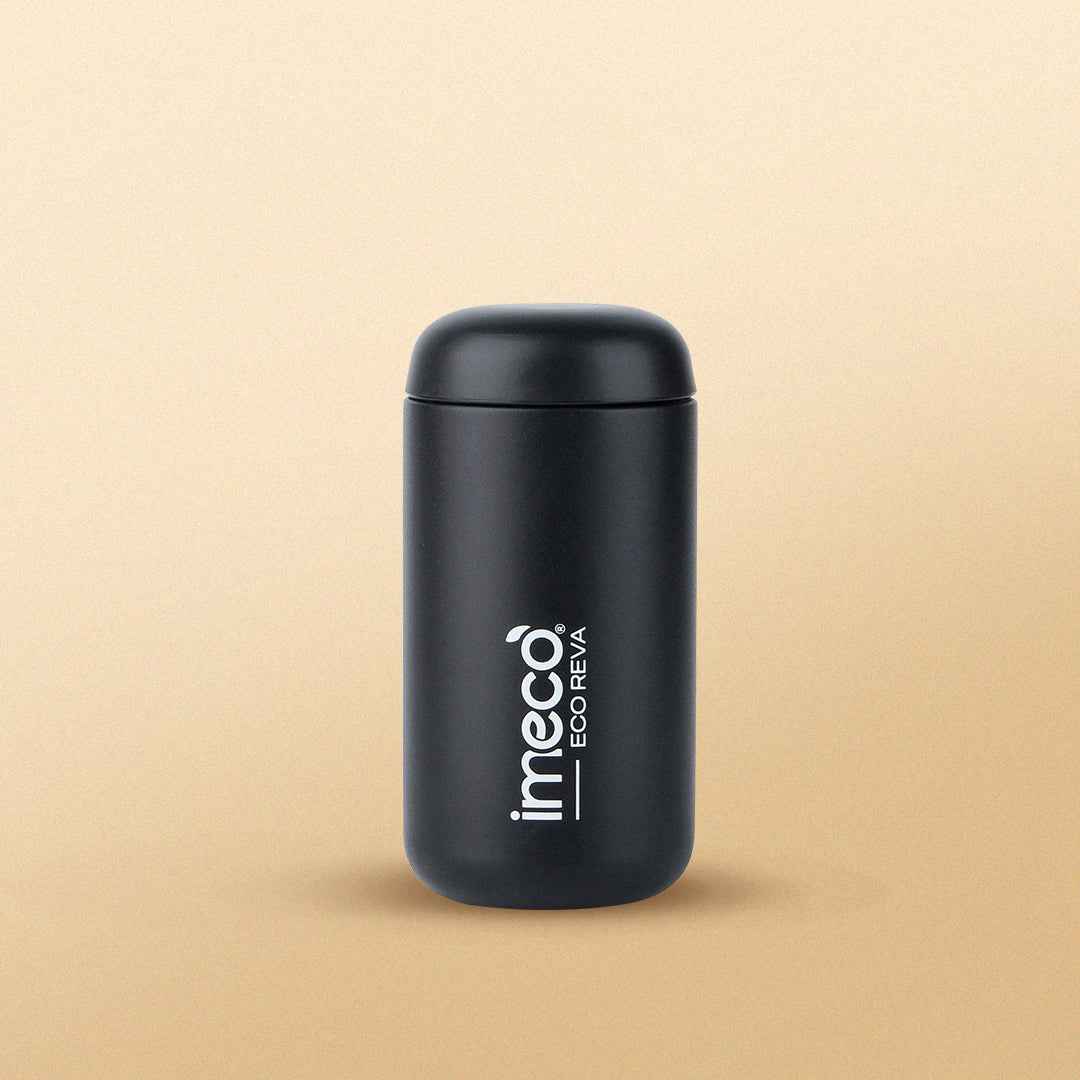
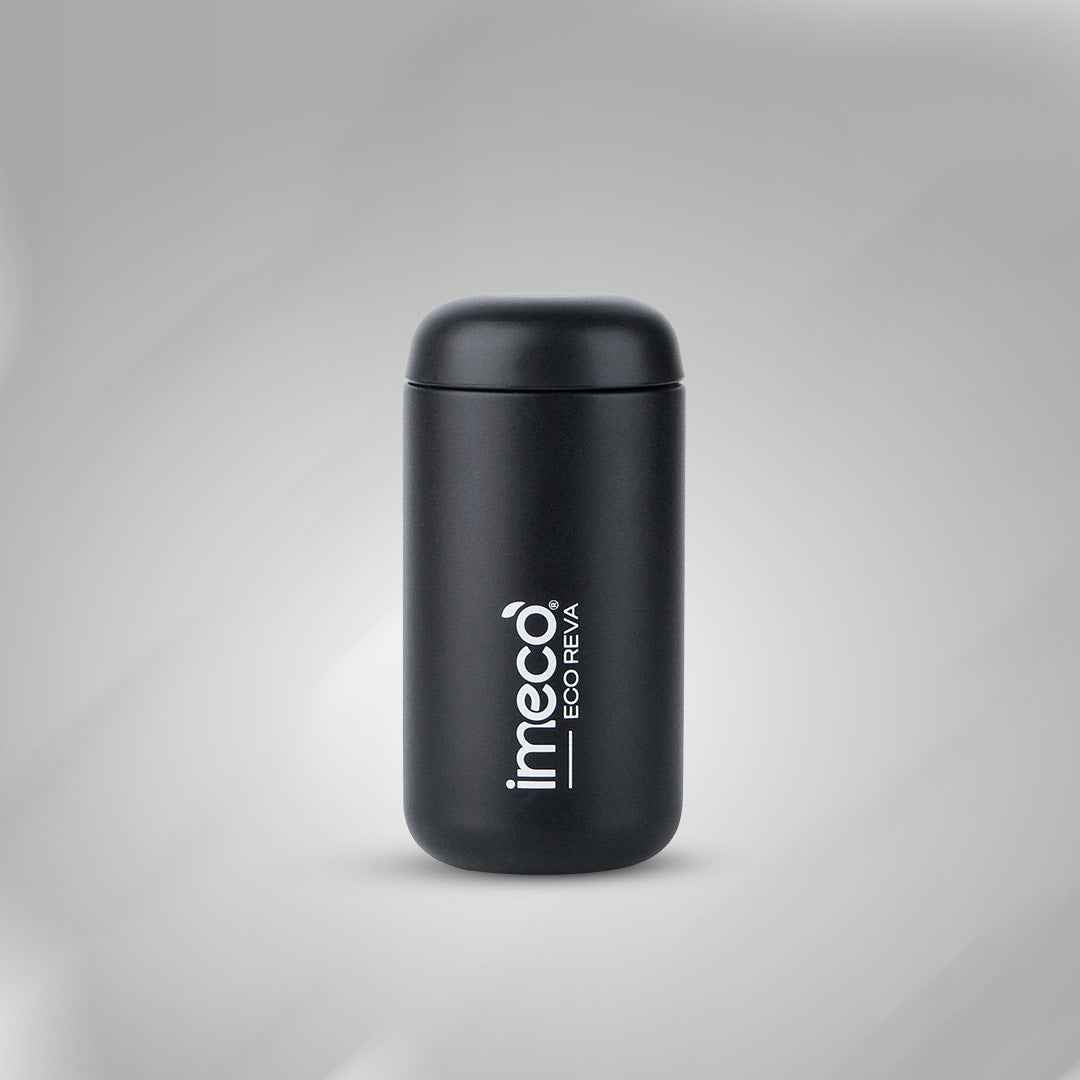
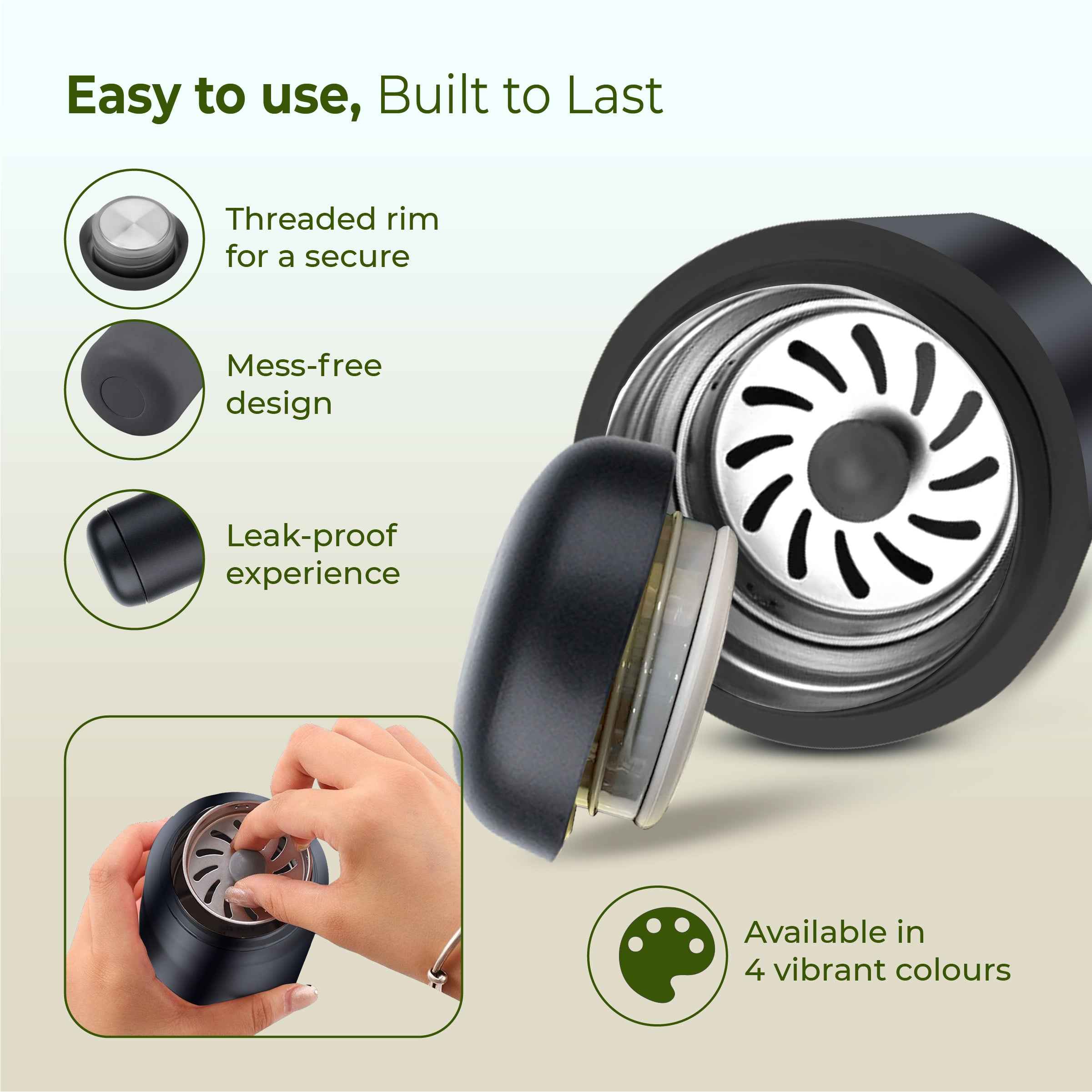
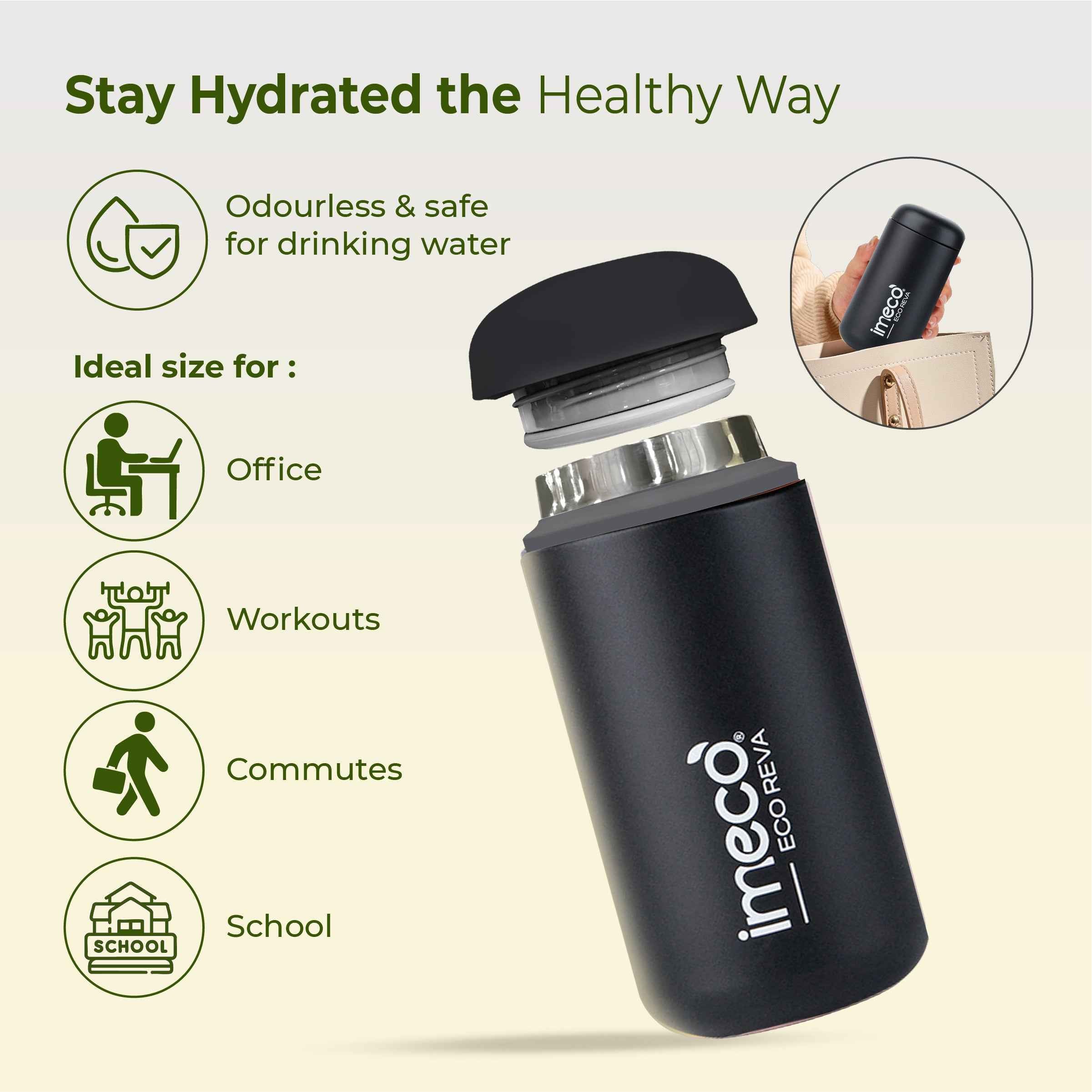
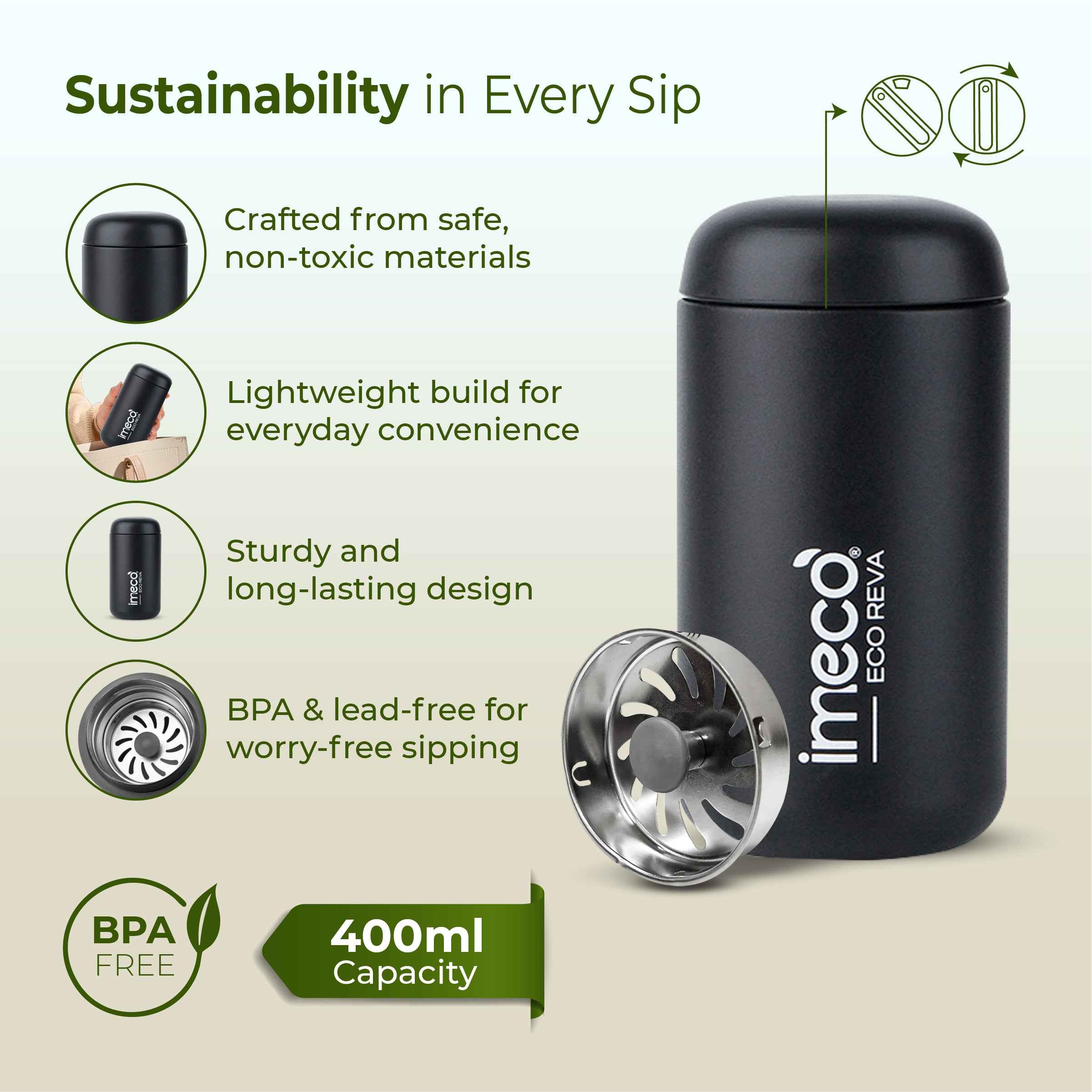
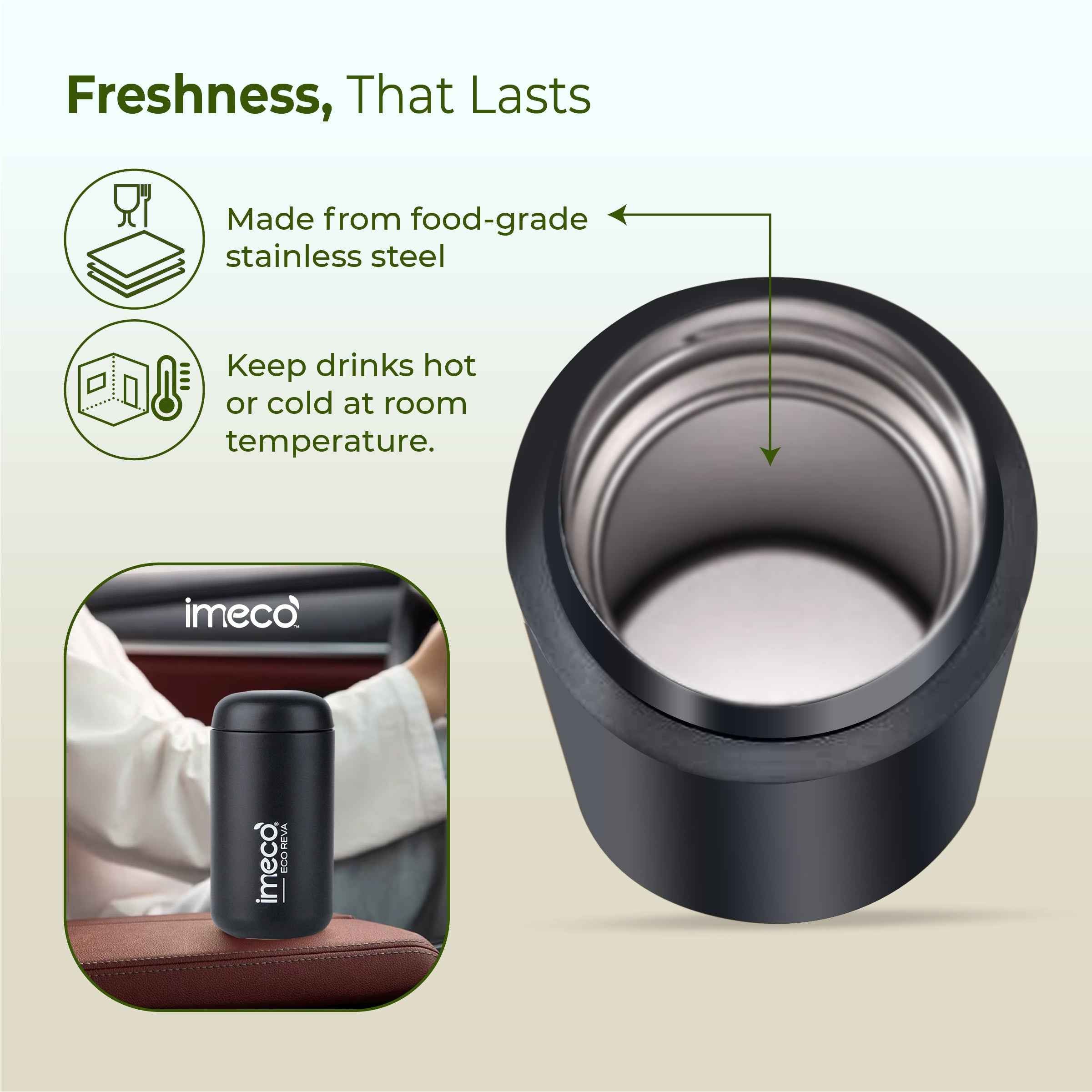
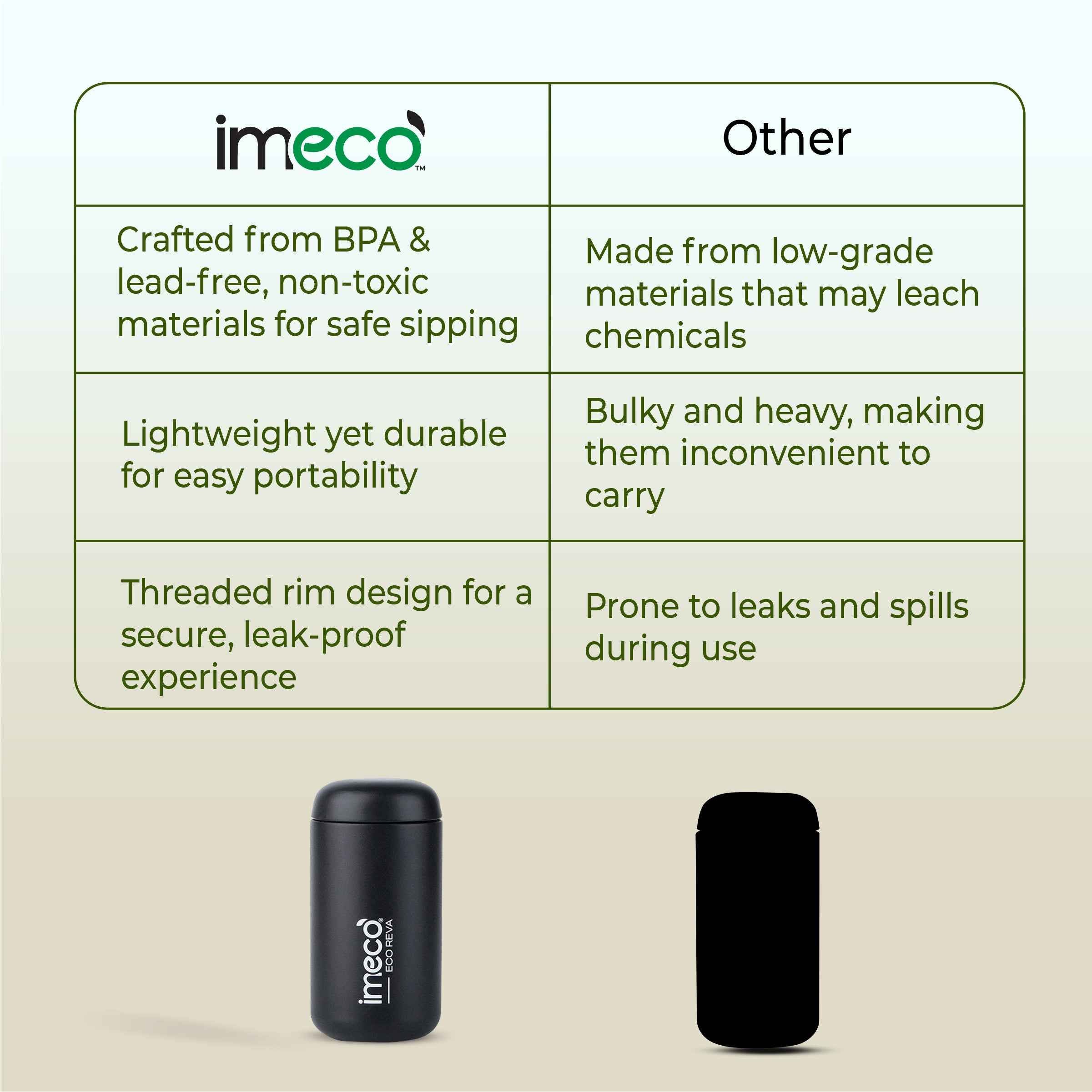
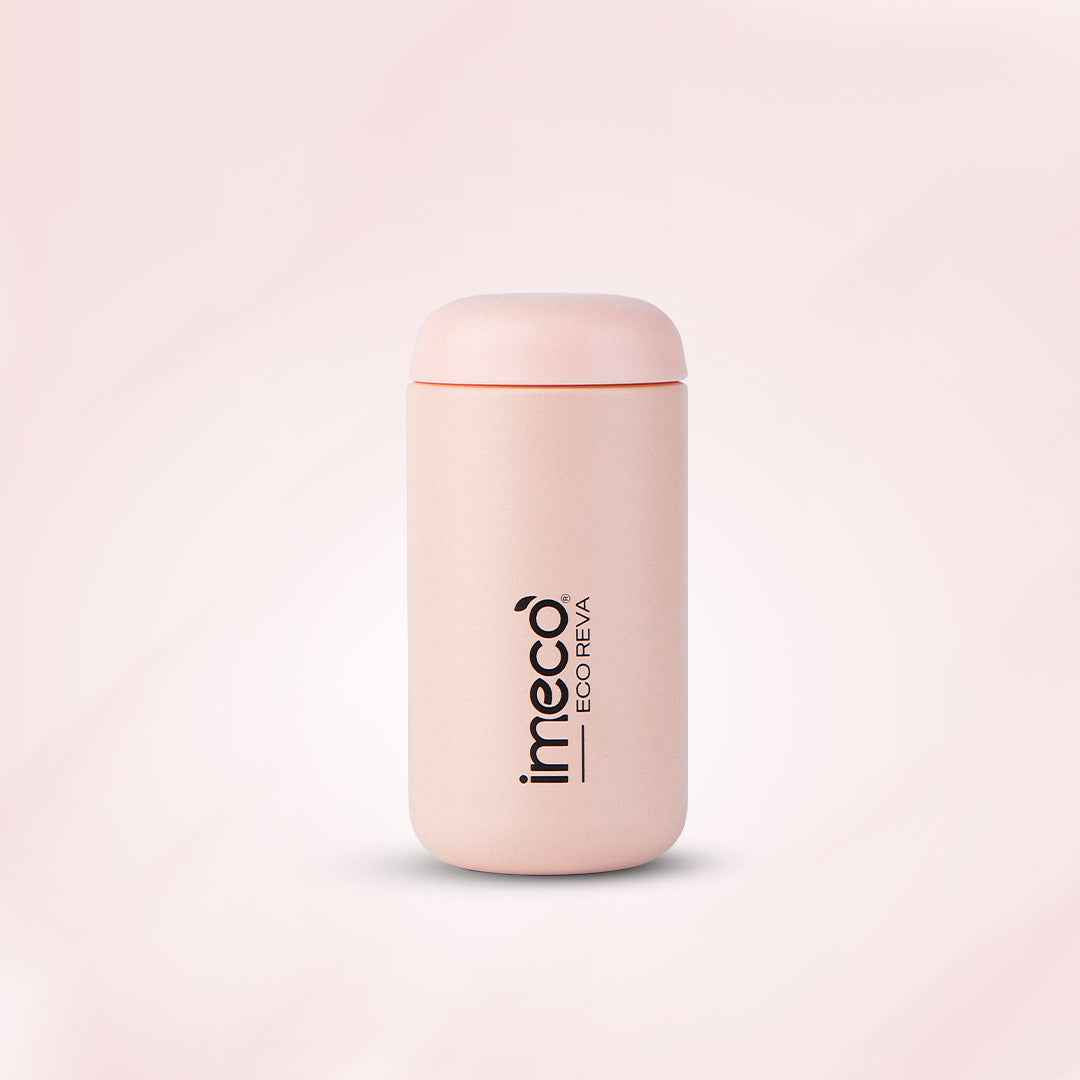
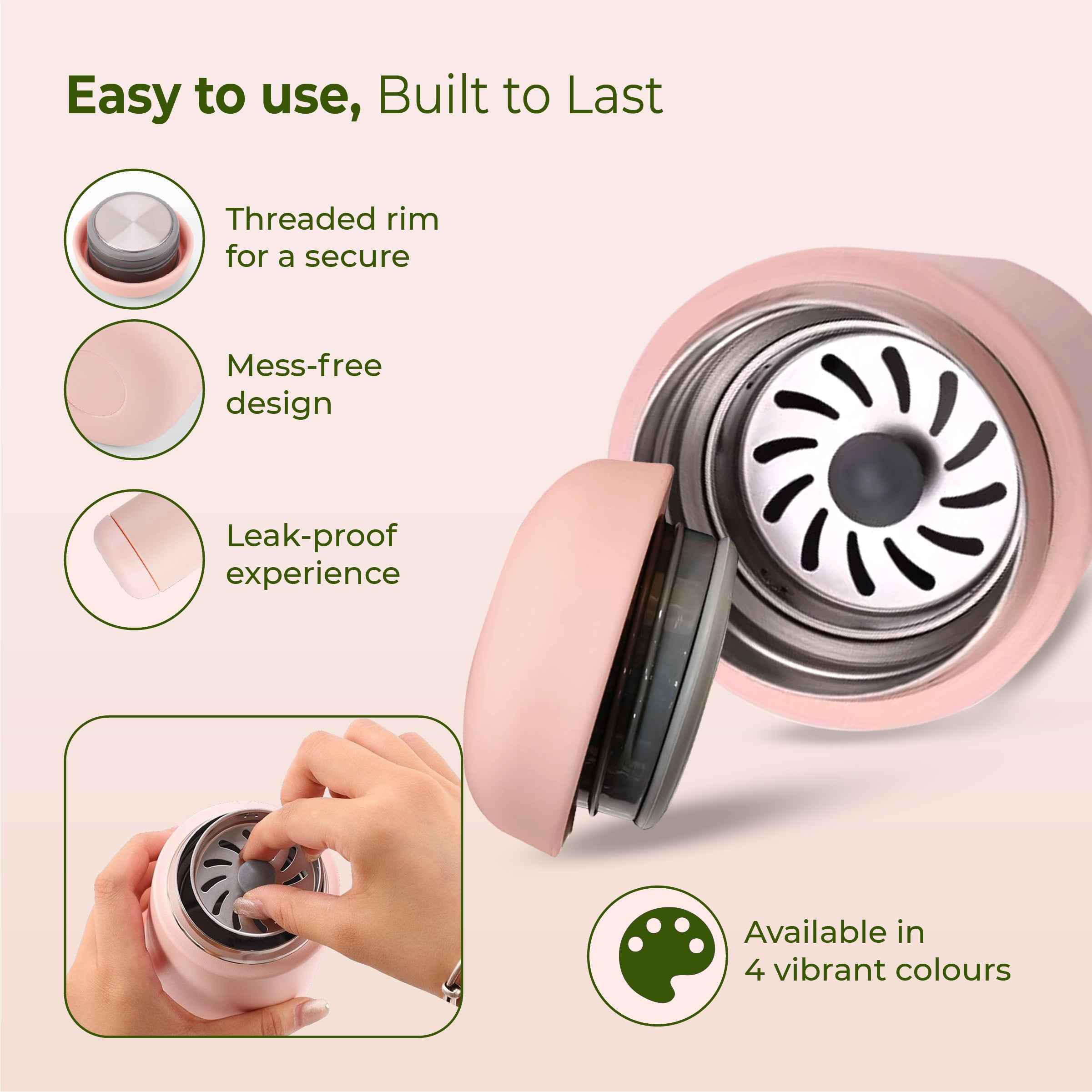
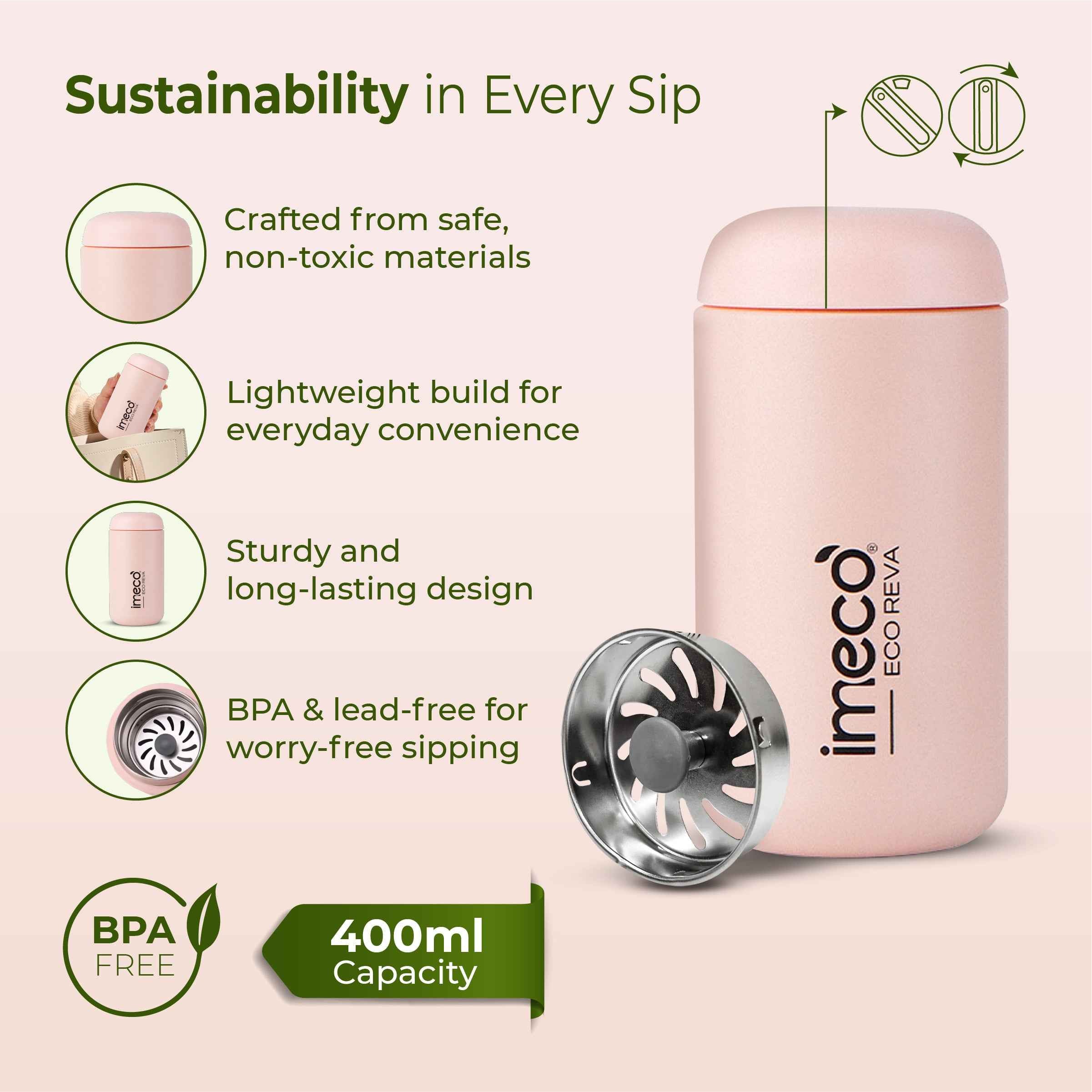
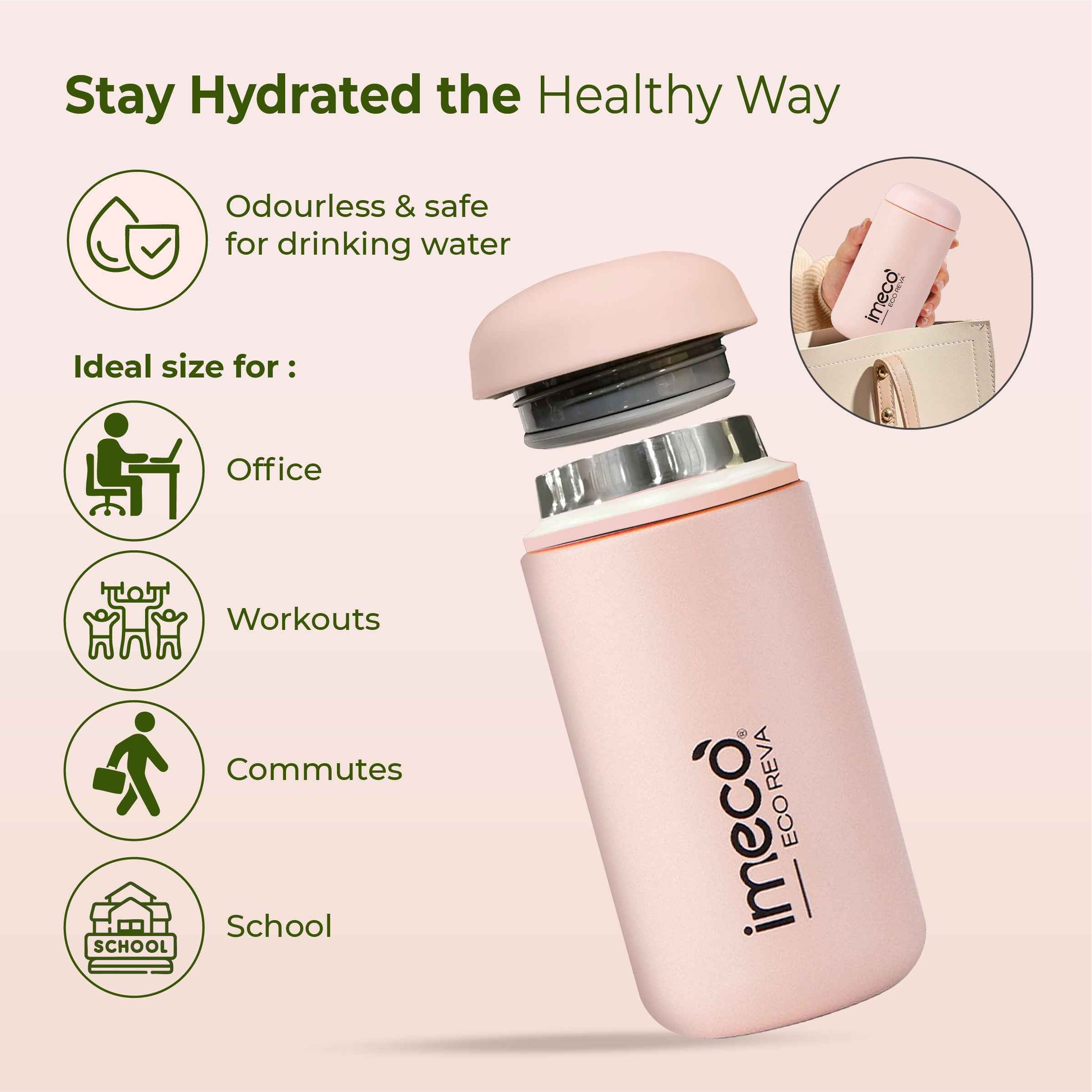
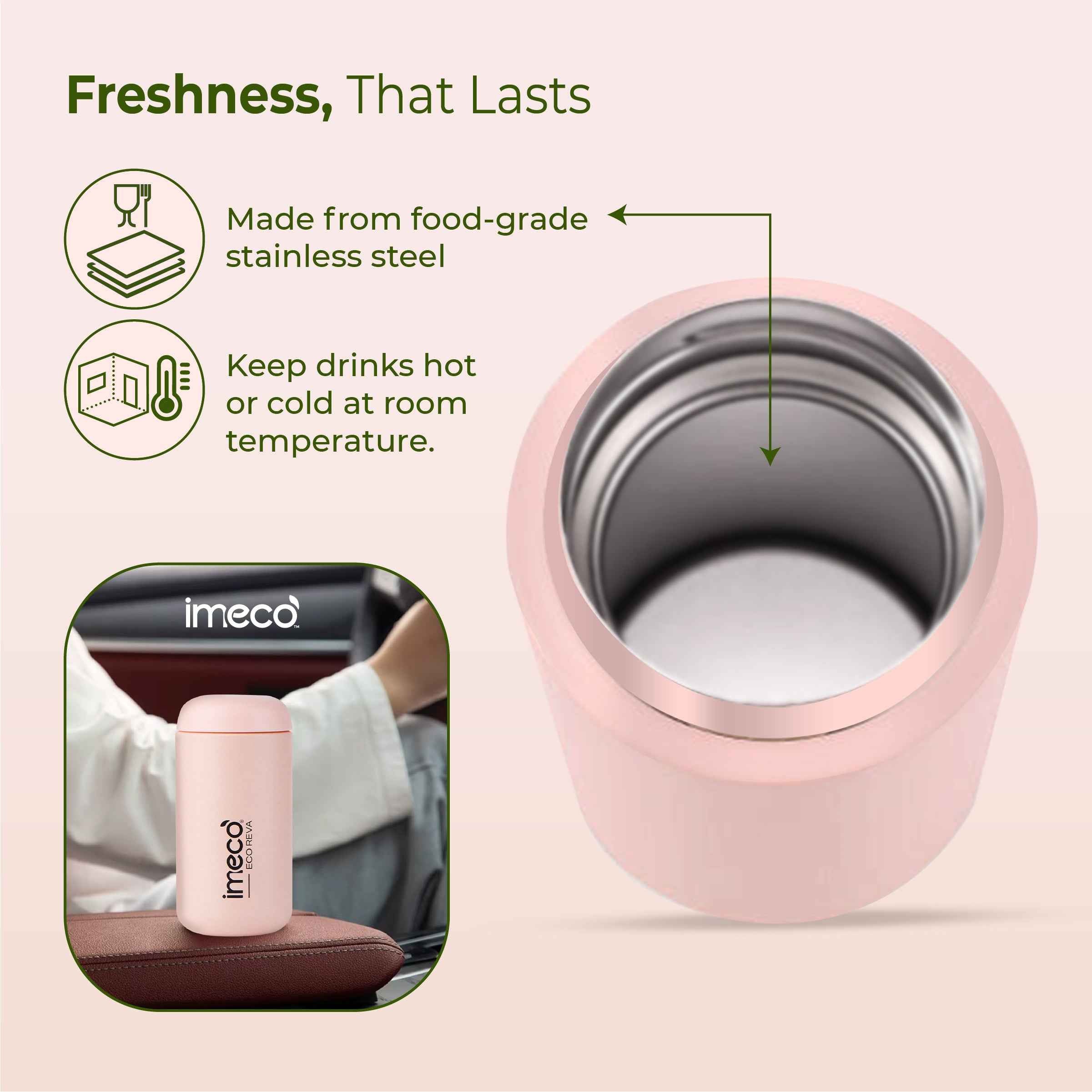
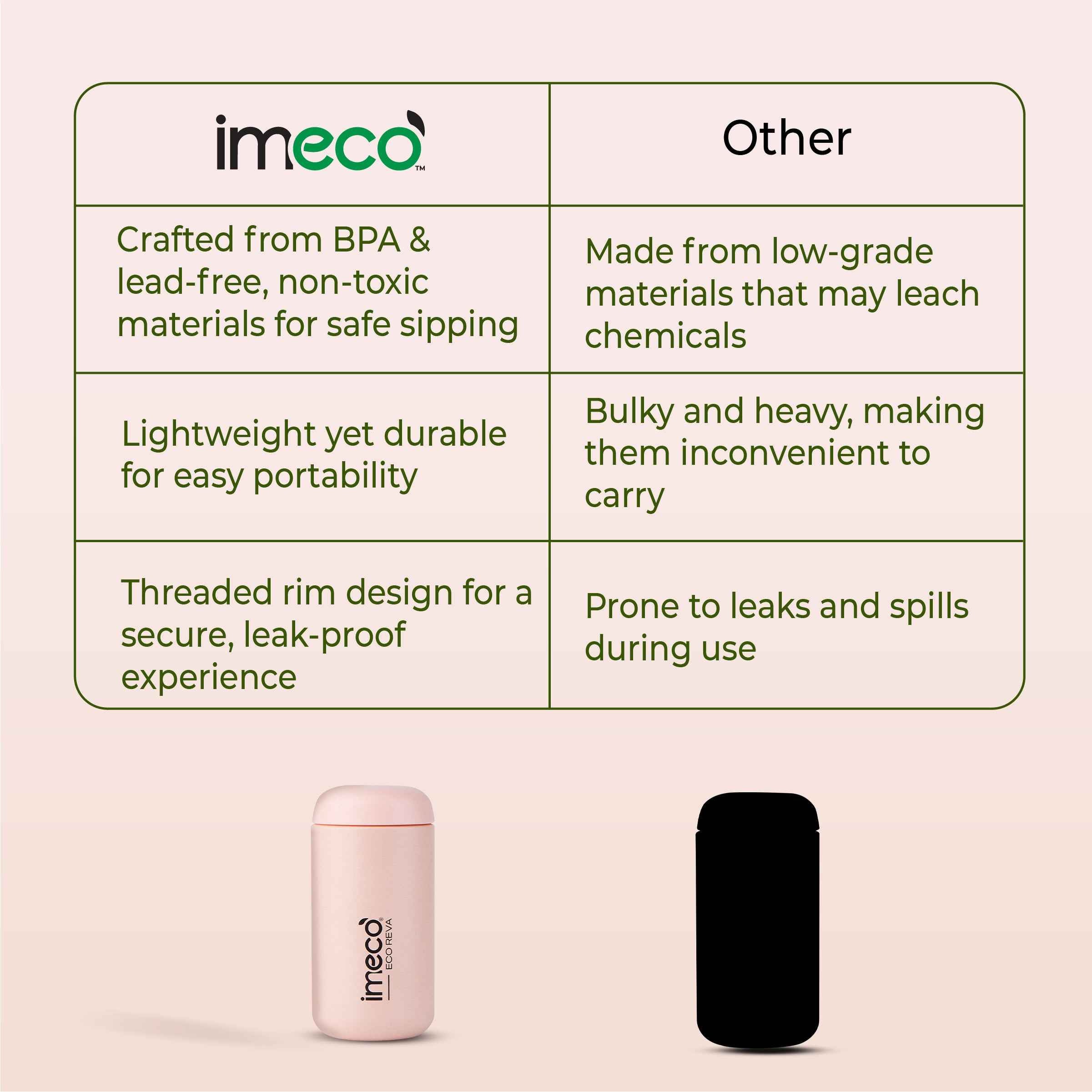
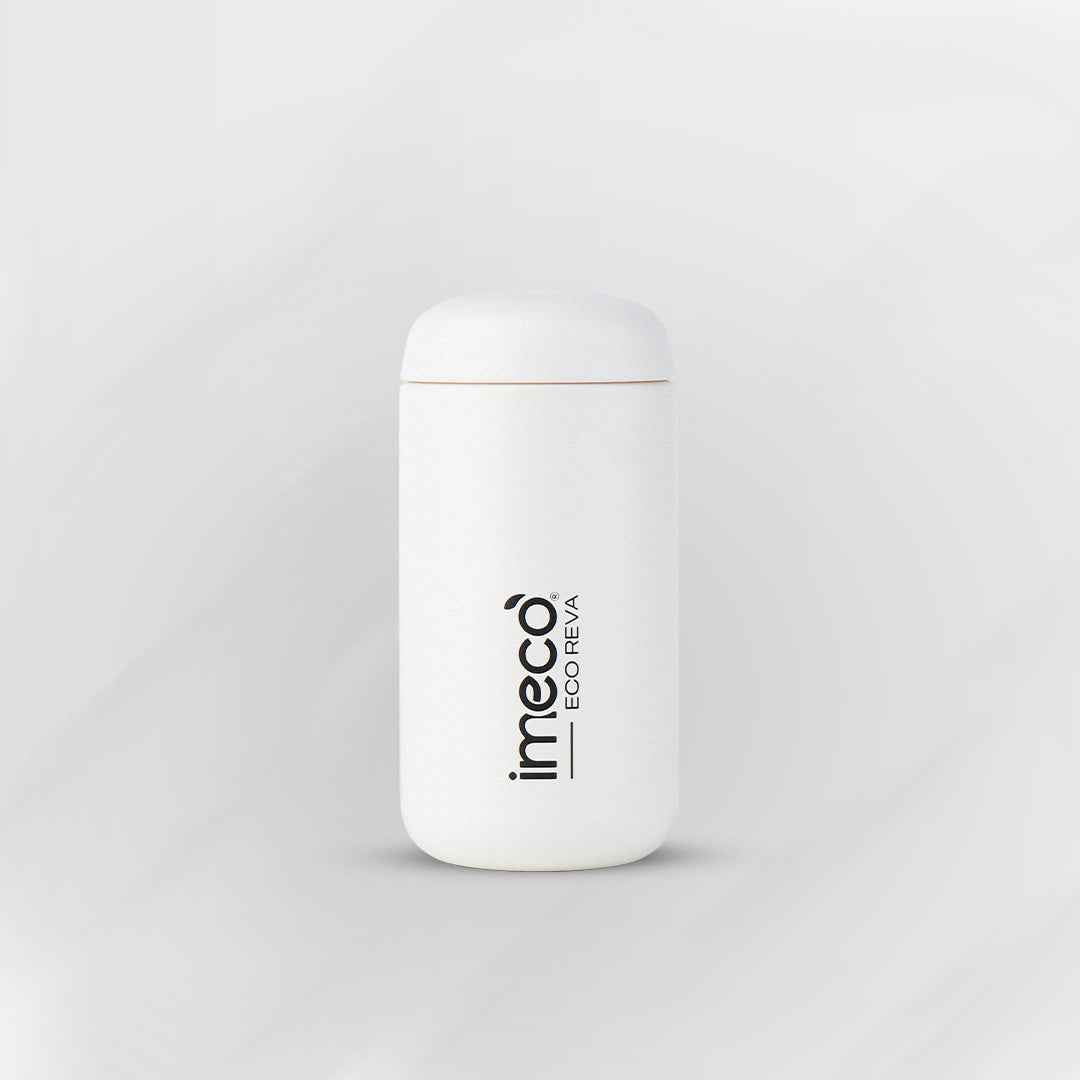
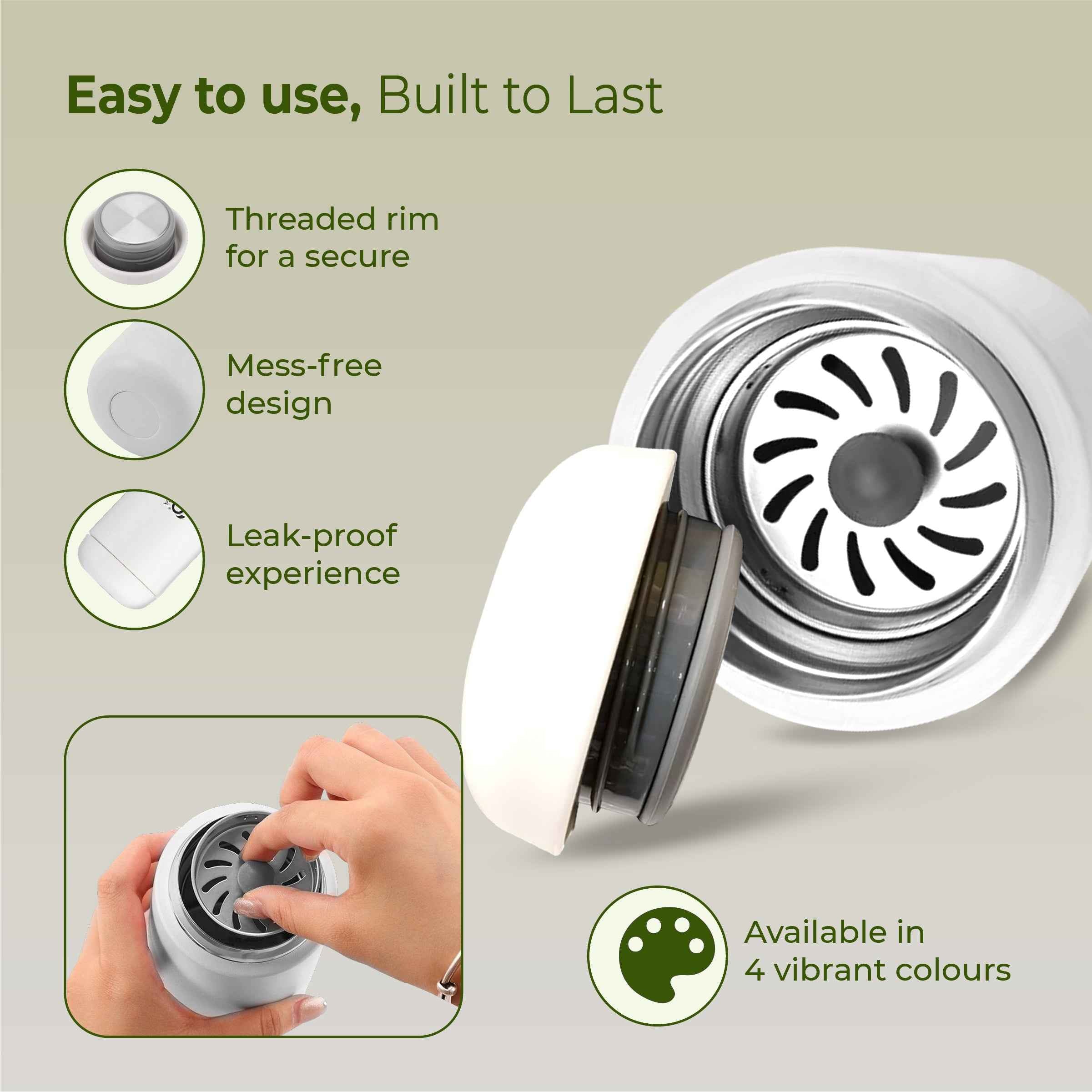
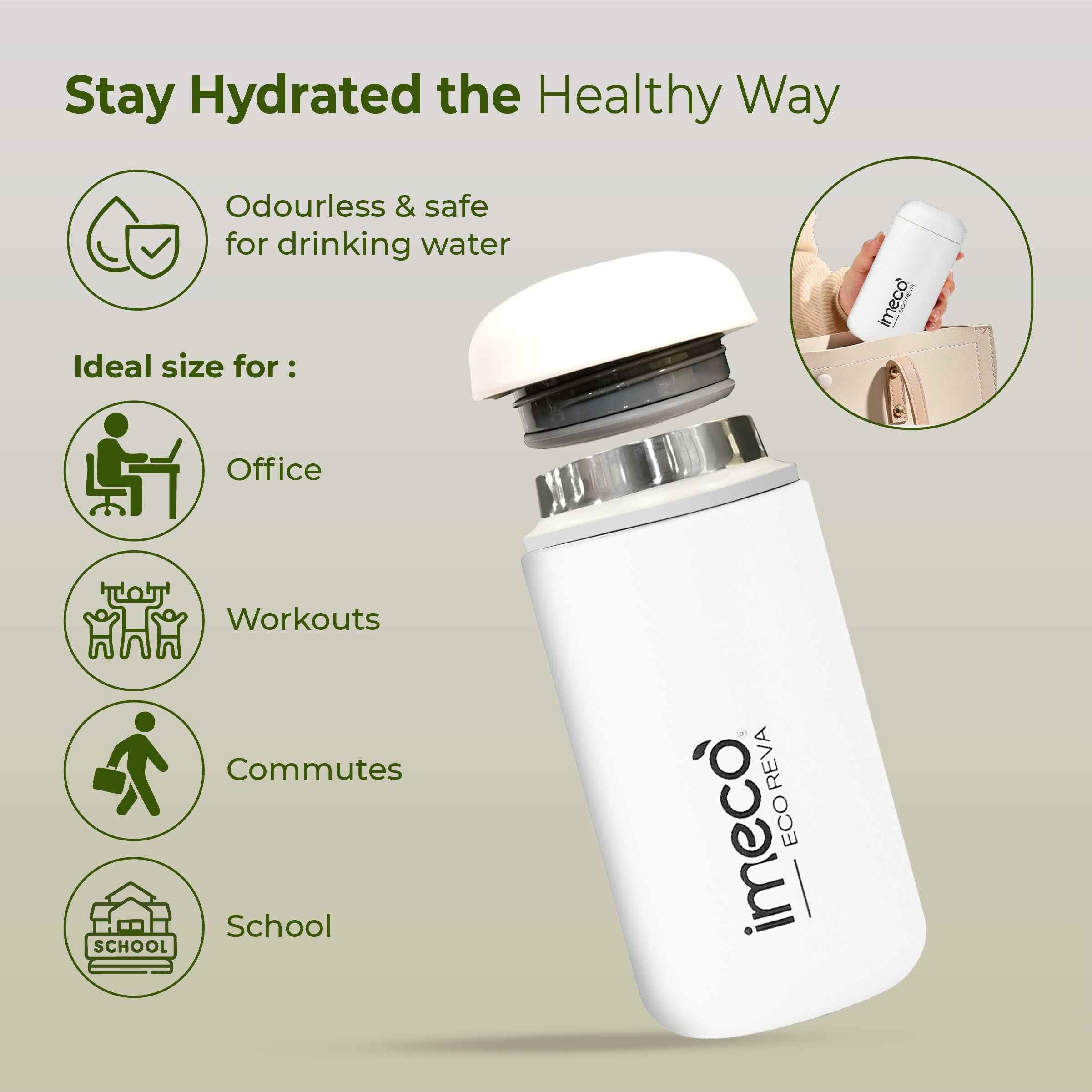
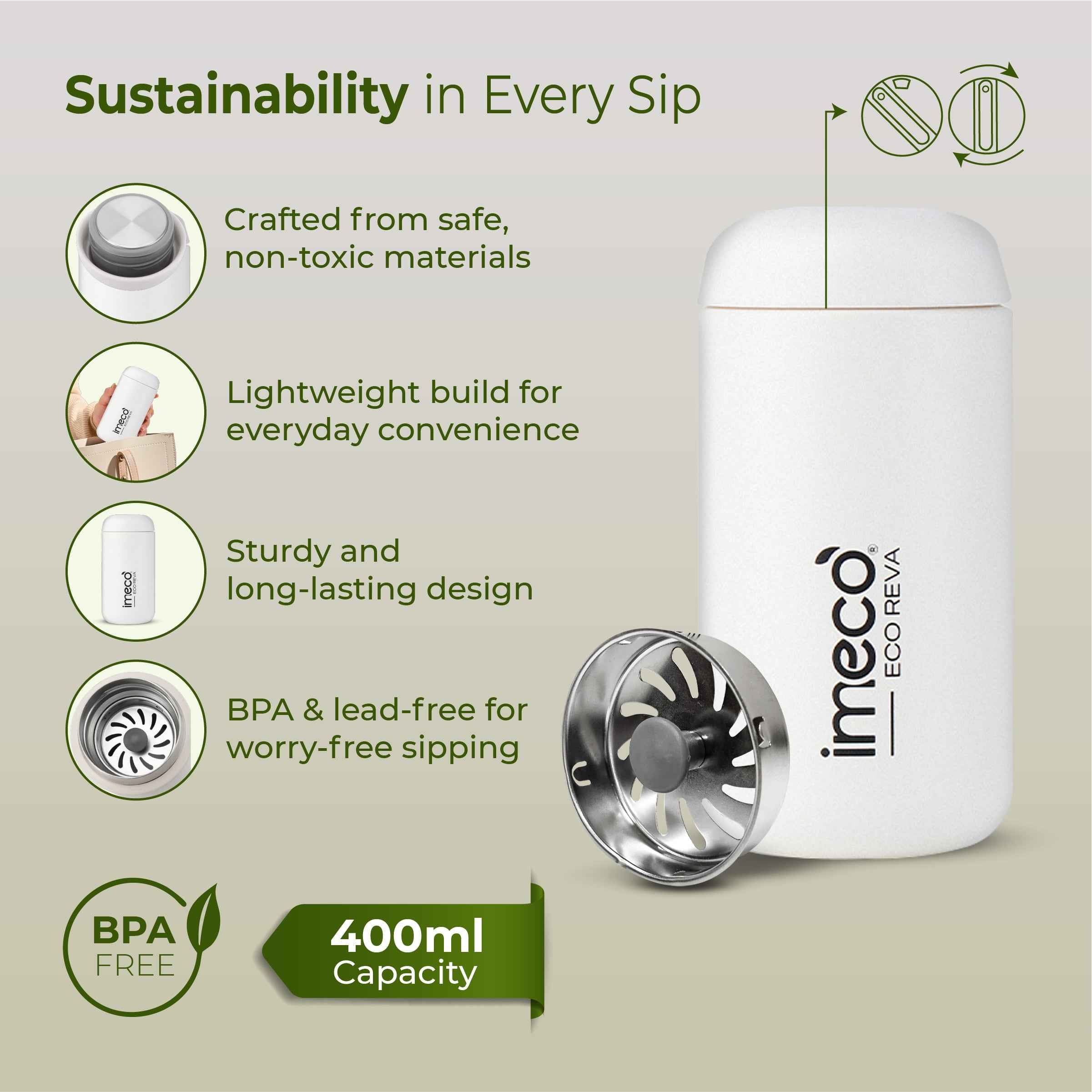
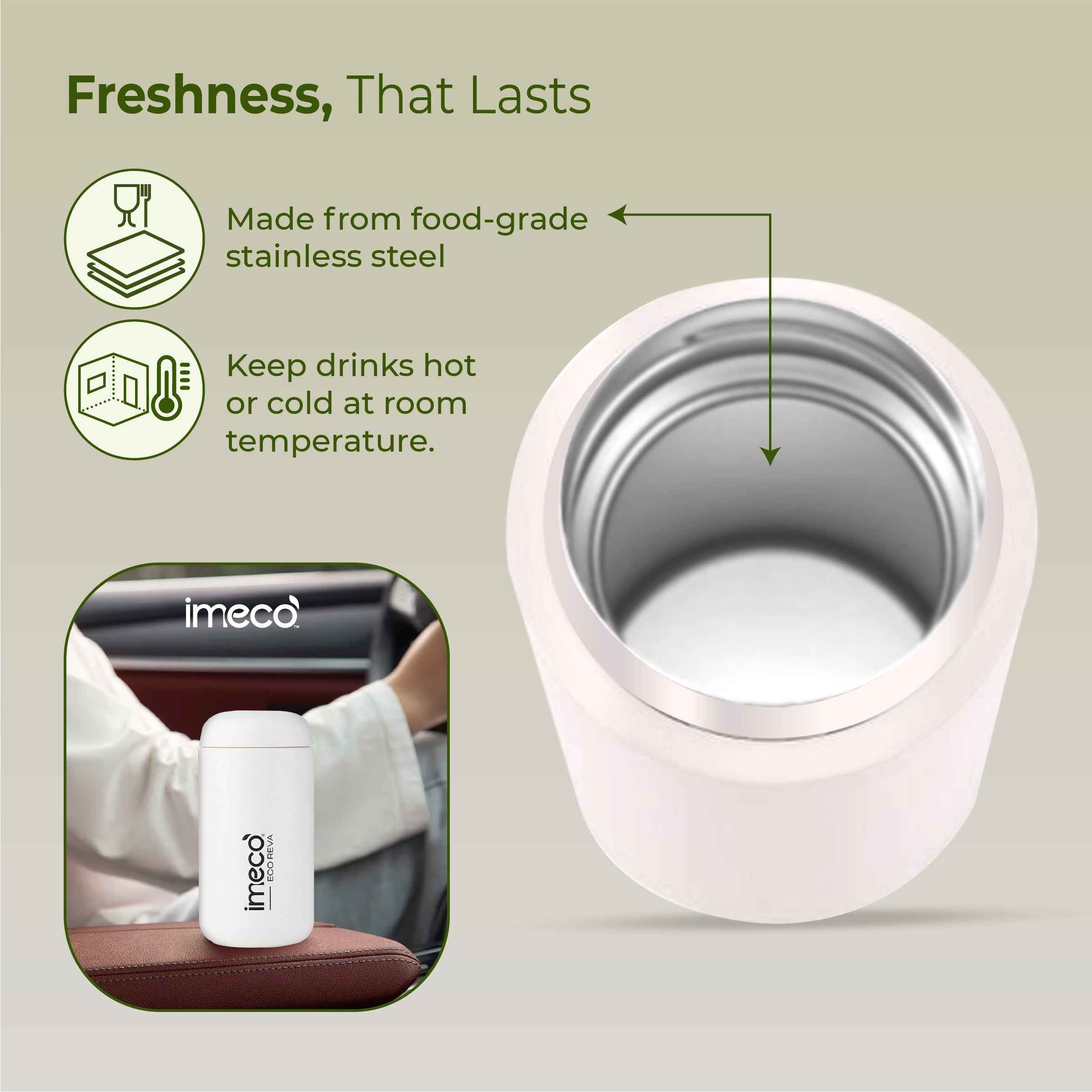
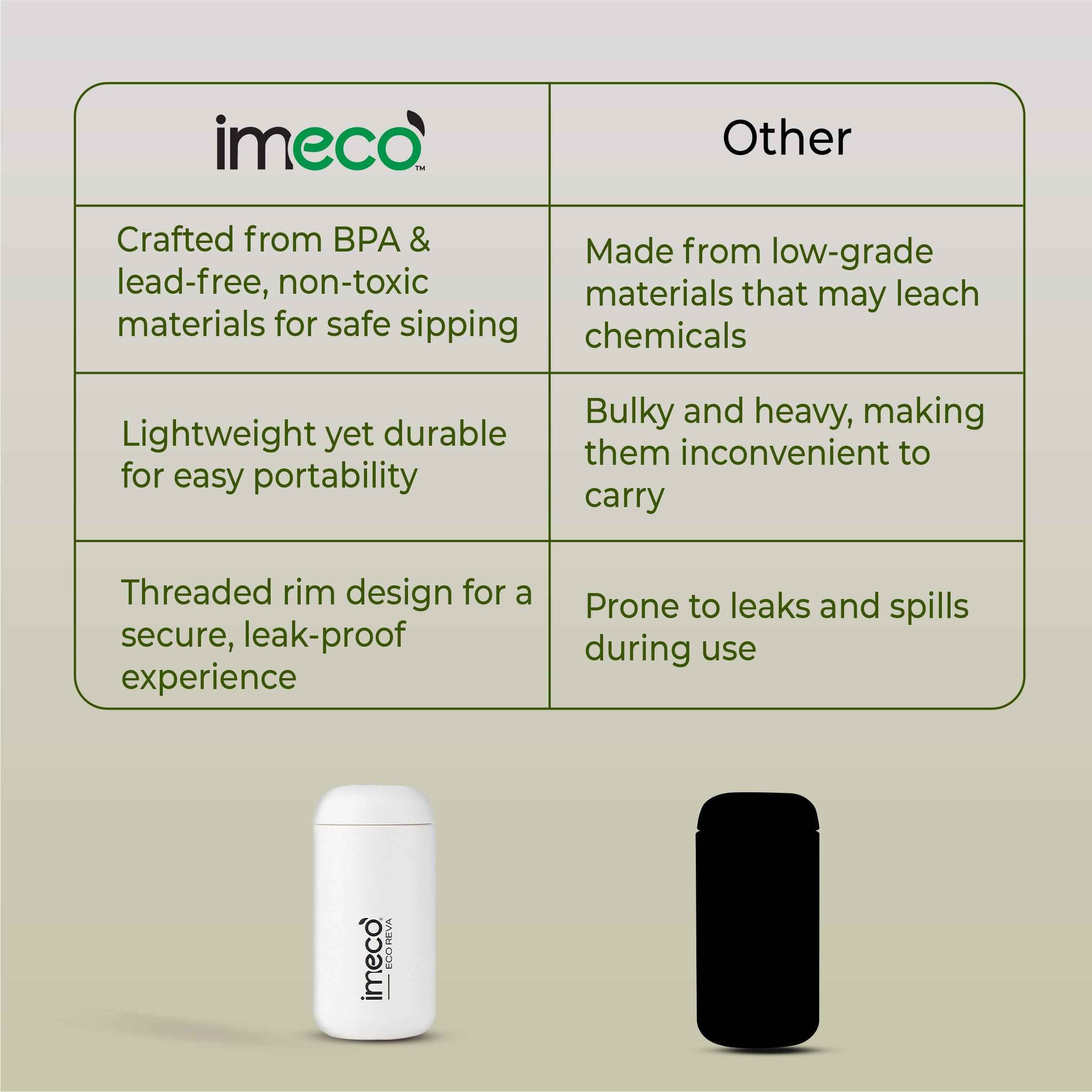
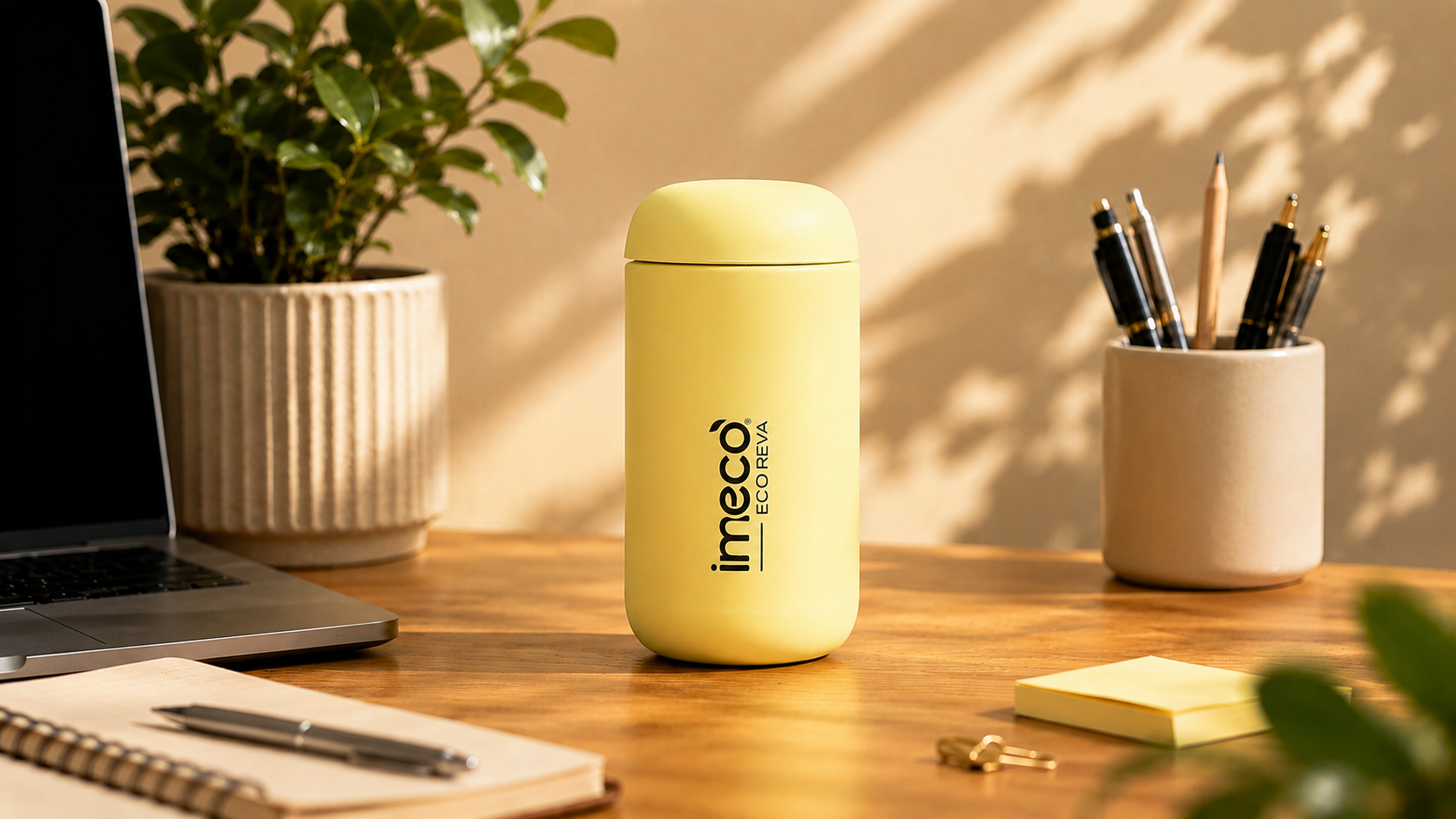
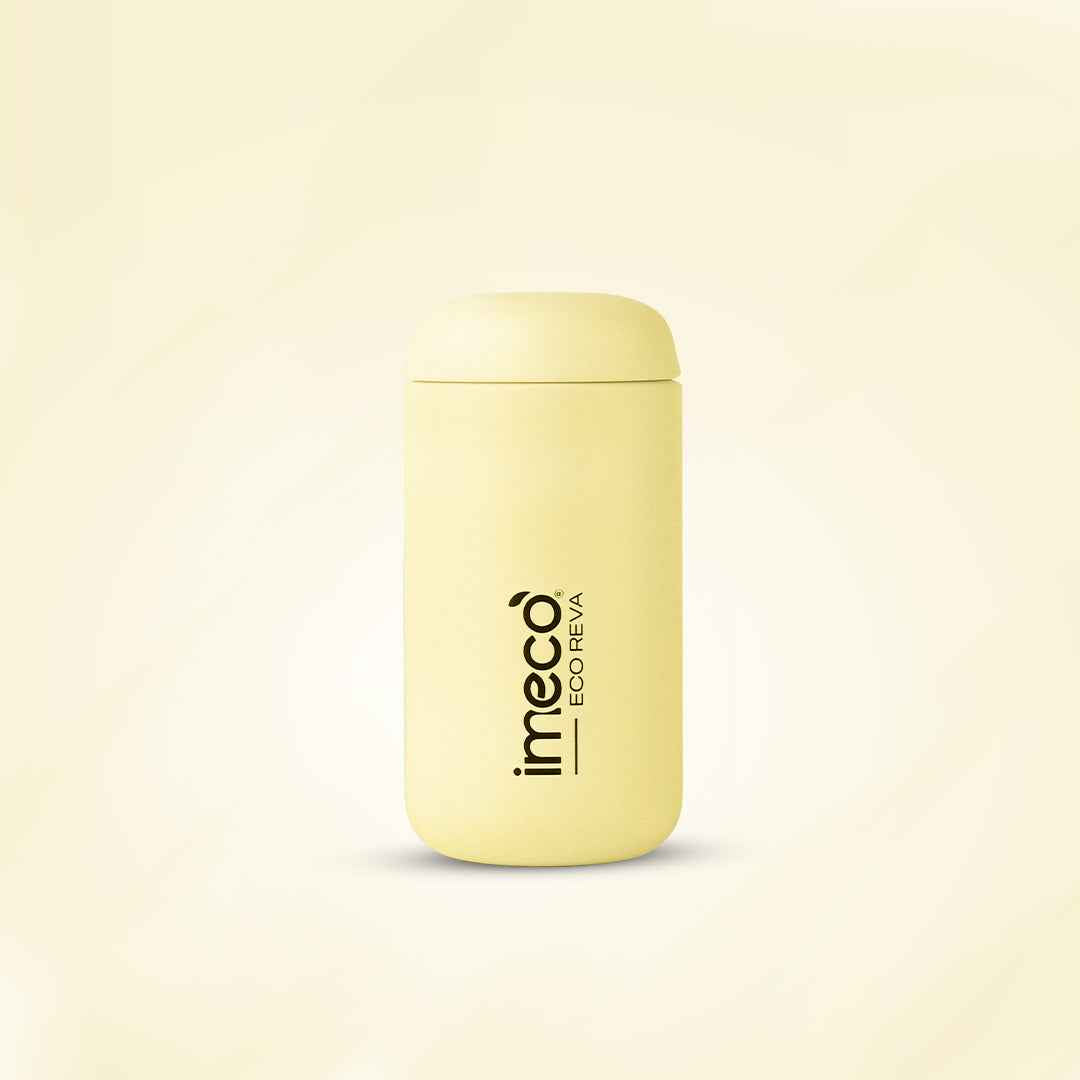
That’s also why modern utility products are evolving aesthetically. Drinkware like ECO REVA, ECO MIST, and ECO JAR blend naturally into a workspace instead of disrupting it visually.

Because in the end, the best desk setups are rarely the ones trying hardest to impress people online. They’re usually the ones that quietly make everyday life feel easier, calmer, and more intentional.

FAQs

1. Are IMECO Facial Tissues soft on the skin?

Yes, they are designed to feel gentle and comfortable for everyday use.

2. Can ECO MIST be used for hot and cold beverages?

Yes, ECO MIST is suitable for maintaining both hot and cold drinks.

3. Are IMECO utility products suitable for daily routines?

Yes, they are designed to fit seamlessly into everyday lifestyles.

4. Does ECO JAR help with organised storage and hydration?

Yes, ECO JAR is designed to make daily storage and hydration more convenient.

5. Do IMECO products combine functionality with minimal aesthetics?

Yes, IMECO products are designed to feel both practical and visually calming.

There’s something oddly revealing about a person’s desk setup.

Not in the obvious “messy desk equals messy life” kind of way, but in a quieter psychological sense. The spaces we spend hours in every day slowly shape how we think, feel, and function, often without us even realising it.

Environmental psychologists have studied this for years. The brain constantly processes visual information from its surroundings, even when we think we’re ignoring it. A cluttered desk filled with loose papers, tangled chargers, misplaced bottles, random wrappers, and scattered essentials creates what researchers call cognitive overload.

In simple terms, the brain has to work harder to filter unnecessary information, which subtly increases mental fatigue over time.

 Let’s look at what usually makes certain desk setups feel calmer than others. Most of the time, it’s not the expensive décor or perfectly styled aesthetic.

It’s the smaller details that reduce visual chaos and make the space feel easier to function in.

Why Small Everyday Objects Matter More Than We Think

Interestingly, the difference is rarely about expensive décor or perfectly aesthetic interiors. More often, it comes down to whether the environment feels easy to exist in.

Behavioural psychology suggests that humans naturally repeat behaviours that feel convenient and frictionless. If tissues are easy to reach, people use them more consistently. If bottles stay visible on the desk, hydration habits improve naturally. Over time, these tiny systems shape the emotional experience of a workspace.

Products like ECO MIST and ECO JAR fit naturally into this shift because they make daily routines feel smoother without adding visual clutter. Similarly, keeping IMECO Facial Tissues nearby removes the small but constant inconvenience of searching for napkins or tissues during busy work hours.

These may sound like very ordinary details, but psychologically, ordinary details are often what shape how a space feels.